On January 18, Polygon turned on a mechanism for burning part of transaction commissions.
EIP-1559 improves “fee visibility” on Polygon and enables MATIC token burns. Although this will not effectively reduce transaction costs, the update eliminates the gas auction by introducing a base fee and an optional fee for expedited transaction processing. Part of the base board will be burned.
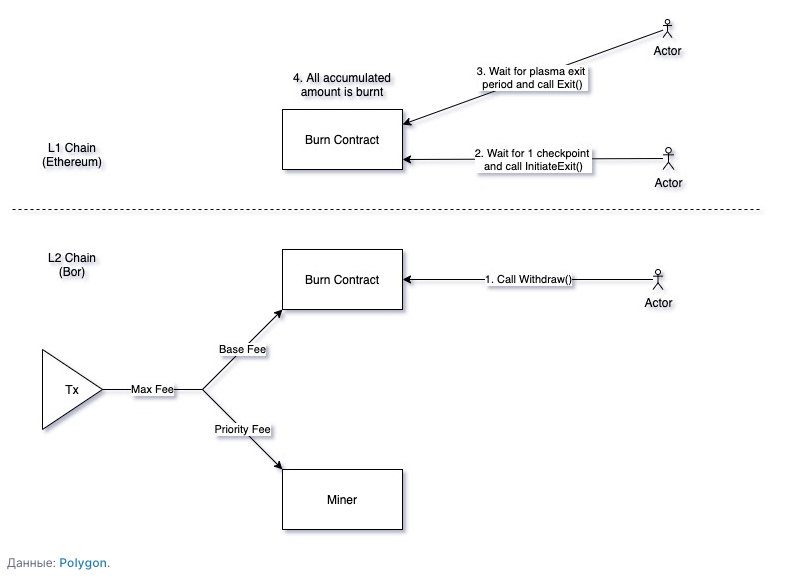
The process itself is two-stage, and first burns tokens in the Polygon network, and then in the Ethereum network.
The Polygon team calculated that after the update, 0.27 percent of the 10 billion total supply will be burned annually MATIC. The team noted:
Network deflation will benefit both validators and delegators receiving rewards in MATIC
Furthermore, EIP-1559 is expected to discourage spam transactions and reduce network congestion.
Subscribe to ForkNews on Telegram to stay up to date with news from the world of cryptocurrencies

You May Also Like
TRON reaches one million users
The TRON blockchain reached one million users on December 23. Misha Lederman, one of the founders of the cryptocurrency project IAmDecentralized.org, posted statistics online that confirm the presence of such a number of addresses.
Blockchain will bring billions to Amazon and Microsoft
According to Kash Rangan, an analyst at Bank of America, these companies could combine blockchain with existing cloud computing operations, thereby reducing logistics costs.
