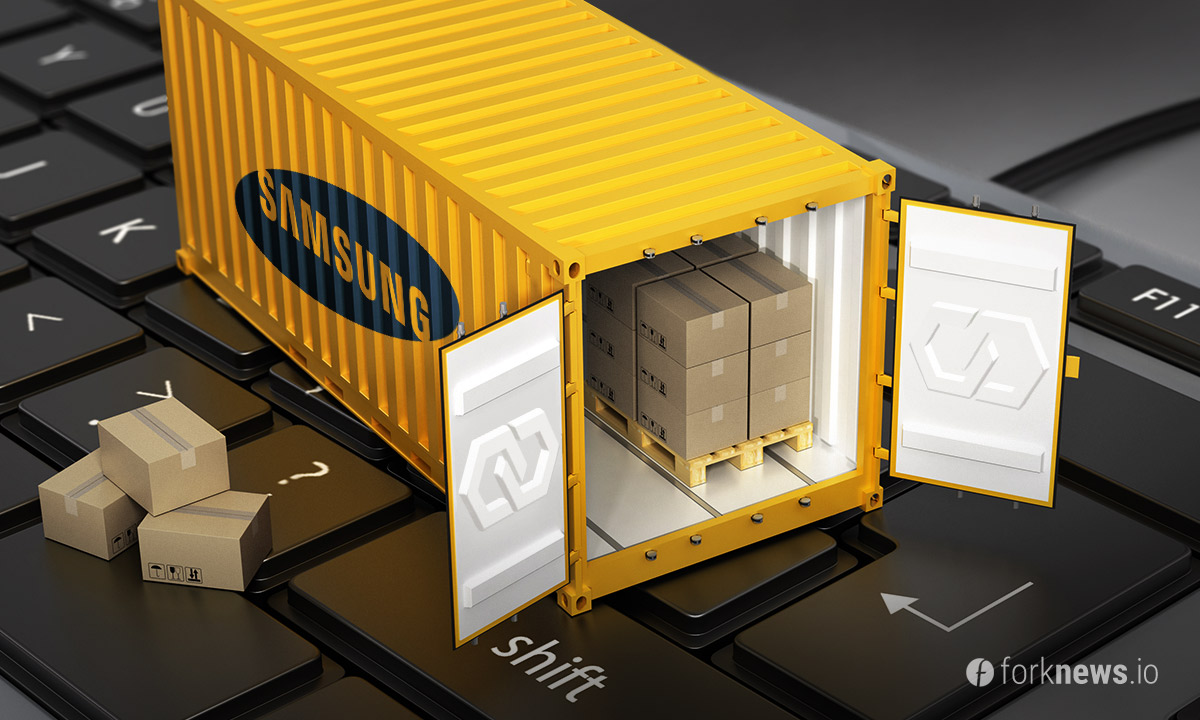
Samsung SDS, one of the Samsung Group companies, is going to use its blockchain platform to create the world's first customs clearance system for the South Korean Customs Service.
In July, the Korea Customs Service selected Samsung SDS to implement a project to create a new export customs clearance system in response to the growing volume of traditional and e-commerce.
Samsung Group's IT division will use a blockchain platform designed specifically to create such a system. The Nexledger platform will allow mobile device users to securely access various services through the encryption of biometric information for certification.
The company noted that the new logistics system will allow institutions and companies associated with exports to quickly and easily exchange various documents with each other, including customs declarations and delivery notifications. The system will also prevent forgery or falsification of documents. It is capable of processing a large number of transactions in real time and will support smart contracts for security and convenience.
Samsung is already using its platform in various industries, including financial, manufacturing and logistics.
To keep up with progress, Samsung intends to further develop blockchain technology, combining it with other innovative technologies, such as artificial intelligence, cloud service.

You May Also Like
Benefits of blockchain in the film industry
Starting September 16, the Sebitseom artificial island complex in Seoul (South Korea) is hosting one of the world's largest blockchain conferences - Block Seoul. The film industry is also showing interest in the world of innovative technologies.
The Government of Gibraltar will train students in blockchain
The Government of Gibraltar recently launched the New Technologies in Education (NTiE) Advisory Group, which is responsible for meeting the growing demand for specialists in the new sector. According to an article published in the Gibraltar Chronicle on October 19, the group's main goal is to create educational material using blockchain technology.
