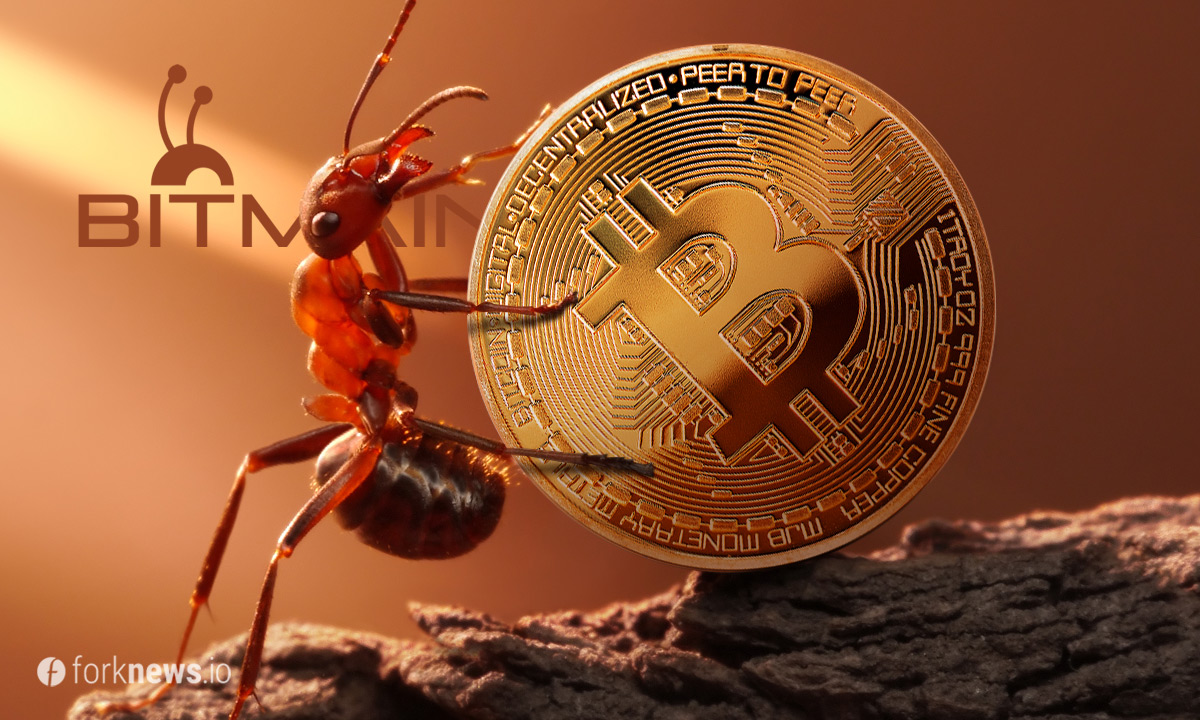
ASIC manufacturer and mining giant Bitmain mined 42% of all blocks produced on the Bitcoin network last week. BTC.com and AntPool, which are both owned by Bitmain, control 26.6% and 15.3% of the network's total hashrate.
Beijing-based Bitmain Technologies Ltd. reported huge profits in 2017, between $3 billion and $4 billion. Bitmain has a clear advantage over its competitors because it both produces and uses its own product. The company also operates mining pools, in which miners can join forces and thereby reduce production costs.
Using their ASIC miners also mine Bitcoin Cash (BCH), since BTC and BCH use the same algorithm. If Bitmain switched all their devices to Bitcoin Cash, that would be enough to control more than 45% of the network's hash rate.
This mark is quite close to 51%, the hash rate needed to carry out a “51% attack.”
We're All Done, Or We Might Not
The 51% number makes many in the cryptocurrency community seriously nervous. This number is often associated with loss of decentralization. What will happen if a large monopolist reaches this point, and how to prevent it?
If this does happen, the incident will not be the first in the history of Bitcoin. In 2014, the mining company Ghash crossed this critical threshold and caused a huge outcry from the community.
One of the solutions to the problem proposed by Ghash was to move miners' resources to other mining pools to eliminate the advantage of the majority. Company employees encouraged their colleagues from the future to follow a similar model. However, do not forget that Bitmain is a large mining corporation, and the Ghash company consisted of a large number of small groups of miners.
Another possible solution would be to change the Bitcoin PoW algorithm. But this is unlikely, primarily due to security issues.
In the end, it is doubtful that Bitmain will decide to attack the network even if they reach the desired point, since the existence of their corporation directly depends on the existence of this network.
The biggest reason for concern should be the possible risks of hacking from the outside or the vulnerability of the network to members of the Bitmain team with hidden evil intentions.
According to bitcoinist

You May Also Like
Profitability of Ethereum mining using GPUs has fallen
New data released by international trading and technology firm Susquehanna showed that Ethereum GPU mining profitability dropped to zero in November. Back in the summer of 2017, Ether miners received $150 per month.
Intel is developing a hardware accelerator for mining
The mining boom has triggered shortages and higher prices for GPUs used to mine cryptocurrencies. Intel is preparing to bring a hardware accelerator to the mining market, judging by the patent application filed by the company
