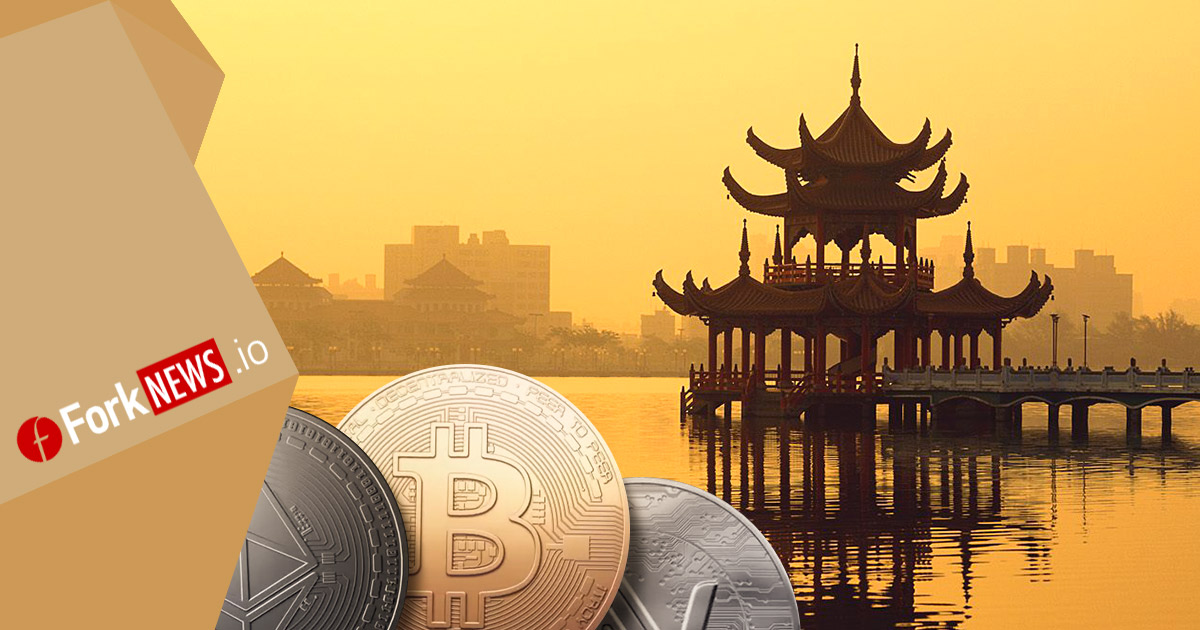
Taiwan will not follow the example of South Korea and China and will maintain a neutral position in regulating cryptocurrencies, writes BTCManager. The government of the country is convinced that such a policy will stimulate natural growth for the crypto market in the country and, if necessary, will allow changes to be made in its activities.
However, Taiwan cannot yet be called a safe haven for the cryptocurrency industry: the government has repeatedly stated the risk associated with cryptocurrencies due to the lack of regulation. But one thing is clear: at the moment, everything possible is being done to change the situation and attract capital from crypto investors to the country.
Taiwanese authorities have already approved the Law on Fintech Innovation, which will more gently regulate the activities of startups and provide them with new opportunities to operate in the state legal field. Thus, they will be able to avoid some of the penalties that companies founded before are subject to.
The bill will give startups the opportunity to apply for approval of their activities, which will allow them to conduct business under the new rules.
This policy of Taiwan is quite promising: in view of the growing pressure on the crypto market by American regulators, many companies are looking for new jurisdictions to do business.
This is confirmed by the recent news about the decision of the Binance exchange to change its location and oopen your office in Malta. The exchange tried to negotiate with regulators for quite a long time, but in vain.
After Binance received an official warning from the Japanese regulator, the company's CEO Zhao Changpeng announced cooperation with the government of Malta.
It seems that the decentralized nature of digital currencies has proven to be a difficult task for global regulators: it seems that they do not fully understand that the stricter the regulation, the more likely it is that startups will leave the countries, and with them the innovations and funds that They spend on taxes. At the same time, it is also impossible not to react to the crypto market, because it is risky for the financial system.
The Taiwanese authorities adhere to a neutral position, and this cannot but rejoice. In this case, it is important how quickly the country can accept new technologies and ideas in order to find worthy use for them and at the same time protect citizens from the activities of fraudsters.

You May Also Like
What are bitcoin ETFs and why are they controversial?
A month ago, the US Securities and Exchange Commission (SEC) postponed its decision on the bitcoin ETF, and in a few days it will again decide the fate of derivatives. In this article, we will briefly explain what an ETF is, what types of bitcoin ETFs there are, what the problem with granting permission for a bitcoin ETF is, and which bitcoin ETFs are most likely to be allowed first.
Italian authorities protect investors from fraud
Italian authorities have taken measures to protect local investors by temporarily banning investments in two dubious crypto projects. In a special advisory, the National Commission for Social Affairs (CONSOB) identified a number of websites and Facebook pages where it has banned the sale of potentially counterfeit Bitsurge tokens and Green Energy certificates.
