It defines cryptocurrency as a digital financial asset, and mining is equated to entrepreneurial activity.
The draft law also states that digital financial assets also include tokens, and that cryptocurrencies are not a legal means of payment on the territory of the Russian Federation.
As for crypto exchanges and crypto exchangers, their legal functioning will be regulated by the Federal Law of 1996.
“Only legal entities can be digital financial asset exchange operators. which are created in accordance with the legislation of the Russian Federation and carry out the types of activities specified in Articles 3 - 5 of the Federal Law of April 22, 1996 No. 39-FZ “On the Securities Market”, or legal entities that are organizers of trade in accordance with the Federal Law of November 21, 2011 No. 325-FZ “On Organized Trading”.
It is determined in a separate paragraph that digital wallets are opened by exchange operators only after the user identification process:
“A digital wallet is a software and hardware tool that allows you to store information about digital records and provides access to the register of digital transactions. A digital wallet is opened by the operator of the exchange of digital financial assets only after passing the procedures for identifying its owner in accordance with Federal Law No. 115-FZ of August 7, 2001 “On combating the legalization (laundering) of proceeds from crime and the financing of terrorism.”
Attention is also paid to ICO.
ICO organizers must disclose full information about the beneficiaries, the physical location of the issuer, information about persons engaged in depository activities, the rights of token holders and the procedure for their implementation..
"The public offer for the issue of tokens must contain: information about the issuer and its beneficiary (if any): the full name of the issuer of tokens and its beneficiary (if any), the location of the permanent executive body of the issuer and its beneficiary (if any), the issuer's official website on the information and telecommunications network "Internet";
information about the validator: full name (for an individual - last name, first name and patronymic) of the validator who validates digital records in the register of digital transactions of issued tokens, the location of the permanent executive body (for an individual - address of residence), the official website on the Internet;
information about the person carrying out depository activities, to whom copies of the public offer on the issuance of tokens and the investment memorandum are transferred for storage (in case the issuer independently takes into account the rights of token owners);
the purchase price of the issued token or the procedure for determining it;
the procedure for sending acceptance of a public offer for the issue of tokens, including the deadline for sending acceptance, as well as the procedure for payment for purchased tokens;
indication that persons who are not in accordance with Federal Law of April 22, 1996 No. 39-FZ “On the Securities Market” qualified investors can purchase tokens worth no more than fifty thousand rubles within the framework of one issue."
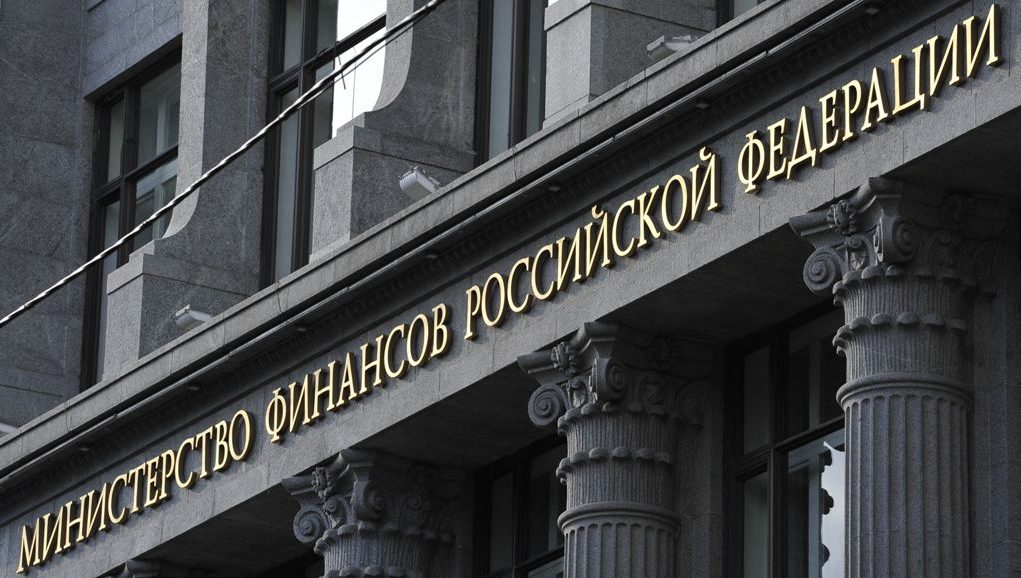
According to https://www.minfin.ru

You May Also Like
South Korean authorities are not going to ban cryptocurrency trading
Finance Minister Kim Doong-yong said the government has no plans to close exchanges, refuting controversial comments from government officials in South Korea, the flagship cryptocurrency market, and reassuring investors.
Korean government: “The law banning cryptocurrencies has not yet entered into force”
Yesterday, the South Korean government said that the plan to ban cryptocurrency exchanges has not yet been finalized. It was also reported that the South Korean Ministry of Justice is working on a bill that would completely ban such exchanges throughout the country, which would significantly complicate the trading of cryptocurrencies.
