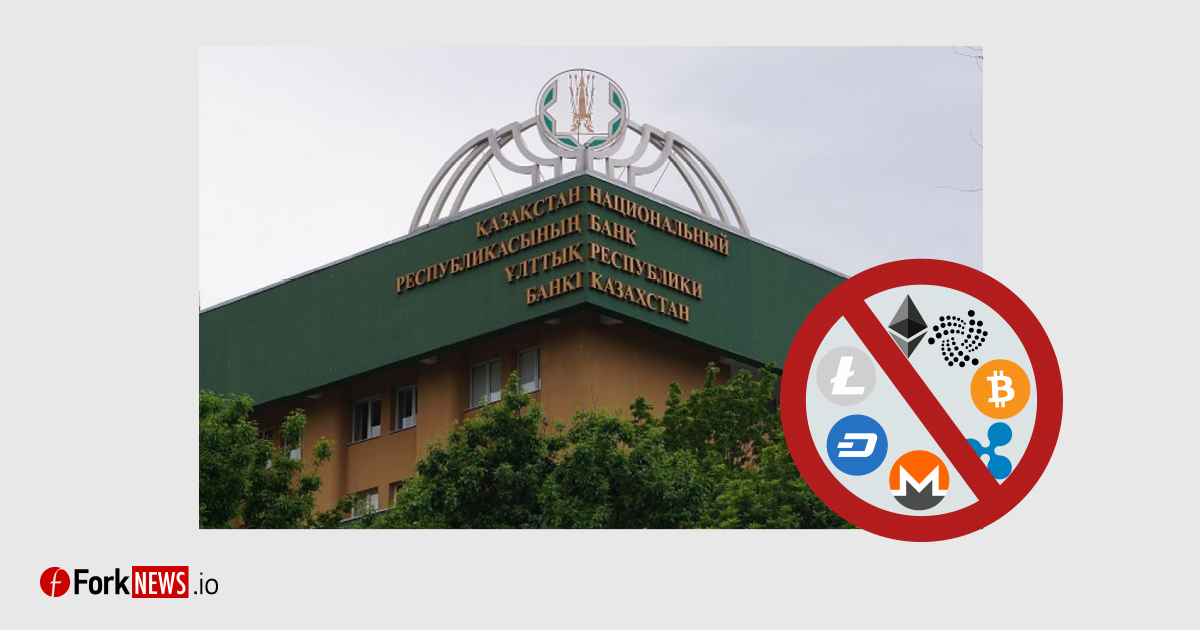
“The only means of payment on the territory of Kazakhstan is the tenge,” said representatives of the country’s main financial regulator during the discussion “Cryptocurrencies: to be or not to be.”
Alina Imangazina, head of the payment systems department of the National Bank, noted that, despite the lack of cryptocurrency regulation, financial institutions cannot conduct transactions using digital currencies, since this is not provided for by law.
Experts of the National Bank of Kazakhstan see a danger in cryptocurrencies, since, in their opinion, they are often used for fraudulent purposes. That is why, according to representatives of the financial regulator, it is necessary to tighten measures to suppress the emergence of cryptocurrency pyramids and increase the level of literacy of the population.
Despite the tough measures of the National Bank in relation to digital currencies, interest in them on the part of the population of Kazakhstan is not decreasing, but is only growing.
Under the leadership of the CryptoEvent company, on February 16, the Rixos Almaty hotel in Almaty will host “Cryptoconference”, dedicated to the prospects for the development of digital currencies in the country.

You May Also Like
Brooklyn Court Rules SEC Rules Apply to Initial Coin Offerings
A Brooklyn federal judge made a decision that could be decisive for the cryptocurrency sector, ruling that SEC rules apply to initial token offerings.
Bithumb and Coinone attracted the attention of South Korean regulators
South Korean financial regulators have begun inspections of bank accounts and transactions belonging to crypto exchanges and crypto exchangers. The Financial Intelligence Unit and the Financial Conduct Authority are inspecting these sites en masse under the guise of checking compliance with money laundering regulations.
