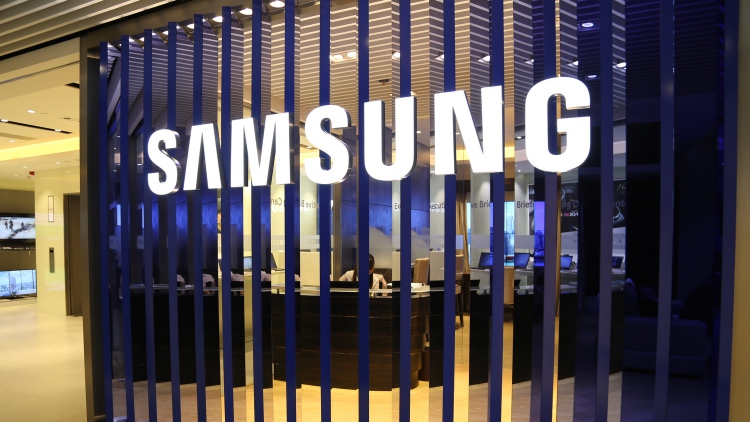
Samsung, which owns one of the world's largest semiconductor factories, completed the development of ASIC chips last year and has already begun mass production.
Samsung is supplying chips to a Chinese manufacturer of Bitcoin mining equipment, the name of which it has not yet disclosed. The company plans to first enter the Chinese market and then offer products worldwide. A Samsung spokesperson says the company had no idea how lucrative the business could be.
Samsung's only major semiconductor competitor now is Taiwan's TSMC, which partners with Bitcoin mining hardware maker Bitmain. Bitmain's orders account for 90 percent of TSMC's total production.
It is likely that an equipment manufacturer partnering with Samsung will provide it with all the necessary resources to surpass Bitmain, which dominates the mining semiconductor market, in terms of output volume.
Prior to the production of ASIC chips, Samsung had already shown interest in the mining industry, the company's engineers had previously assembled cryptocurrency mining farmfrom 40 old Galaxy S5 smartphones, as part of the smartphone recycling program. Of course, this was just an experiment, but there are rumors that it was during this experiment that Samsung was secretly developing ASIC chips.
In addition to Samsung, Eastman Kodak announced its entry into the Bitcoin mining market, having granted a license to produce mining equipment under the Kodak brand. This statement was criticized due to the projected profit and the caveat that the company would receive half of the coins mined using such equipment.

You May Also Like
Mining will affect global warming
According to a study published Monday in the scientific journal Nature Climate Change, if Bitcoin adoption occurs at the same rate as credit card adoption, global temperatures will rise by 2 degrees by 2033.
Mining companies are holding BTC mined in September
Large mining pools are pursuing a hold strategy in the renewed bull market.
