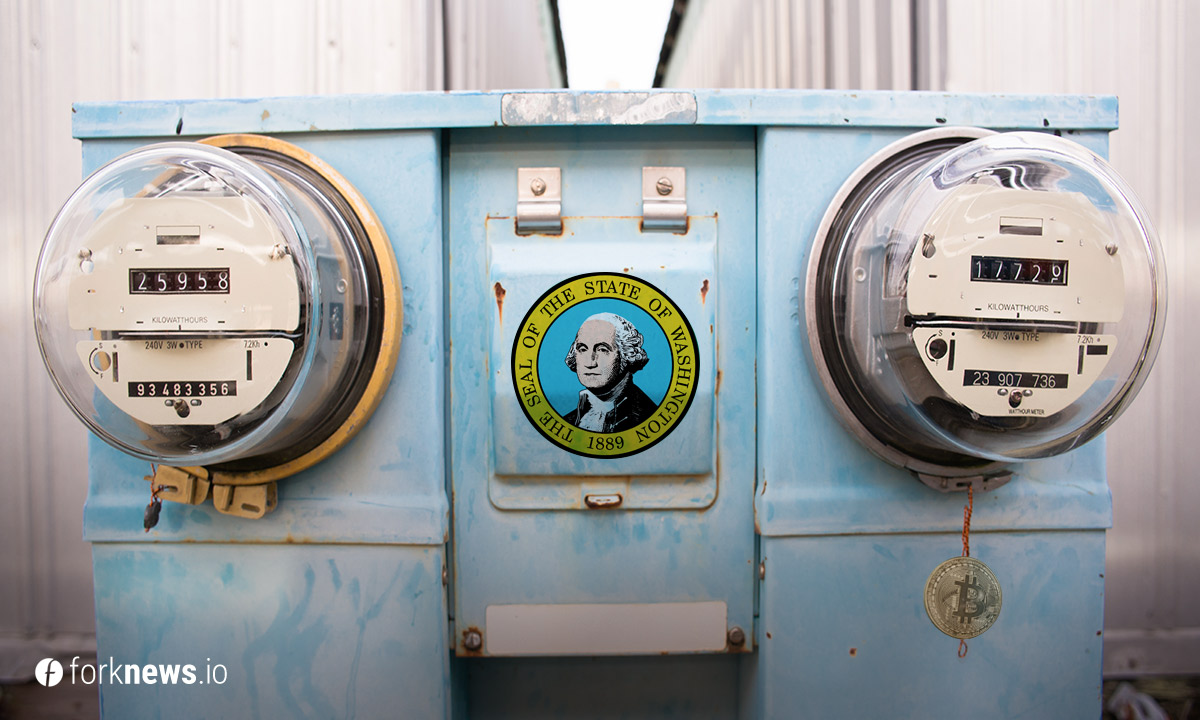
According to International Business Times, the Grant County Public Utility District (PUD) released Rate 17, a bill that increases the cost of electricity for all “growth areas” by 15% starting April 1, 2019, by another 35% the following year, and finally by 50% in 2021.
The bill was adopted at a commission meeting, which took place on August 28, 2018. At this meeting, the PUD adopted new rates so that its primary customers (county residents and small businesses) could continue to pay low rates.
According to the Washington state weekly Capital Press, the commission members voted unanimously, as this bill was preceded by a year-long study of the impact of the mining industry. Utilities must add capacity at substations to meet the needs of miners, which in turn increases costs and expenses, but there is no evidence that cryptocurrency mining will be a profitable activity for much longer.
“Your industry is unregulated and carries high risks,” PUD Commissioner Tom Flint said at a meeting attended by representatives of mining companies. “This is the best way to ensure our ratepayers are protected from the impact of your high-risk business.”
Grant County PUD has received new service requests for more than 2,000 megawatts of power since the summer of 2017, according to the Capital Press. This amount is three times the energy consumption of all homes, businesses, businesses and factories in Grant County. The report indicates that approximately 75% of these requests came from cryptocurrency miners.
In addition, mining farms do not create a large number of jobs, unlike factories or offices. According to IBT, there are different estimates of the amount of energy consumed by miners. In May, Joule magazine published an article that estimated the annual energy consumption for mining Bitcoin at 73 TWh, and the white paper of the Coin Shares project states that this number is 35 TWh.
The Washington State PUD appears to be raising rates to keep prices in line with demand. Depending on the amount of energy consumed, the cost of mining operations can increase from 4.9 cents per kWh to 13.7 cents.
According to btcmanager.com

You May Also Like
Coinmine will release a miner for beginners
The Coinmine company enters the mining equipment market with the unexpected concept of “bringing mining to the masses!” Operating as a platform since August 2013, Coinmine’s service for joint mining of altcoins with a large selection of coins for every taste and for any equipment has become quite popular.
Intel will release its own ASIC
The largest chip manufacturer Intel is entering the cryptomining market with a new revolutionary chip.
