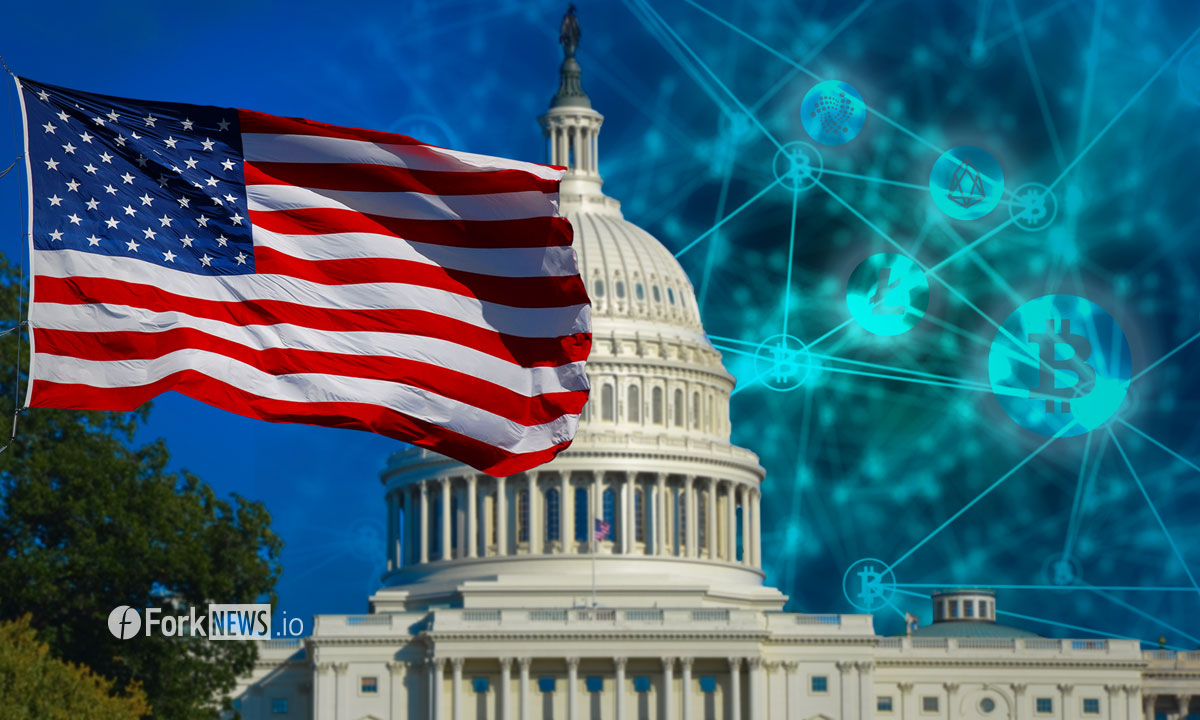
Regulatory risk has always been dangerous for bitcoin investors, as any public statements by regulators and legislators about the digital currency tend to affect the price. Additionally, due to the decentralized and anonymous nature of bitcoin, as well as its history of use on the dark web, many owners feared that governments might try to ban the use of this cryptocurrency. Fortunately, most countries have not adopted such a ban.
Currently, legislators around the world are still developing a common regulatory framework for cryptocurrency assets and blockchain technology, which has allowed crypto lobbyists to join the process and influence the development of new laws regulating cryptocurrency activities.
Coinbase created a political action committee (PAC)
In July, cryptocurrency exchange Coinbase created a political action committee (PAC), presumably to lobby for bitcoin in the US Congress. A PAC is an organization that raises and spends money for political campaigns. A PAC supports labor, business, or ideological interests and can be used to engage in activities for or against specific legislation or a political candidate.
There are two types of PACs: related PACs and unrelated PACs. Related committees are created by companies in a specific field of activity, while unrelated committees are created to lobby for one specific issue. According to CNN, this is not the first time Coinbase has participated in a PAC. In 2014, the company donated $3,000 to the political action committee Bit PAC. Coinbase has not yet commented on its participation in the new PAC.
Lobbying Bitcoin Interests in Congress
The New PAC Coinbase is not the only lobbying group in the Capitol fighting to introduce cryptocurrency-friendly laws into legislation. In 2014, the Bitcoin Foundation hired Washington law firm Thorsen French Advocacy to educate legislators about the benefits of a decentralized digital currency.
“When governments are properly informed about the capabilities of bitcoin, the social and economic benefits of the technology are recognized, innovation is accelerated, and the technology's chance of adoption is increased,” Bitcoin Foundation Executive Director John Matonis said at the time. At a press conference, the Bitcoin Foundation announced that Thorsen French Advocacy will act as an intermediary between the cryptocurrency ecosystem and Congress..
“The purpose of this mediation is to prepare the ground and remove barriers so that the bitcoin community, businesses and people can create services, provide services to more people around the world and take advantage of the benefits that bitcoin offers,” said Jim Harper, International Policy Advisor at the Bitcoin Foundation. That same year, the co-founder of crypto investment fund Falcon Global Capital, Brett Stapper, published his research in this area to advance the interests of cryptocurrency advocates in Congress.
“We worry that our elected officials will pass regulations without adequate knowledge on the issue. And such regulations could negatively impact the bitcoin ecosystem,” Spatter noted. “Our goal is to educate and provide guidance to these elected officials on how to pass regulatory laws. If we can succeed in this aspect, we can ensure that the bitcoin ecosystem does not suffer."
In 2017, David Schweiker, a Republican from Arizona, and Democrat Jared Polis from Colorado created a bipartisan lobbying group called the Congressional Blockchain Caucus, whose goal was to educate legislators and participate in the development of a reasonable regulatory framework governing activities related to the technology blockchain.
“Legislators need to understand that as the world changes, we must realign policies and adapt laws that promote rather than discourage innovation. The potential of blockchain to transform the financial industry, supply chains, cybersecurity, healthcare, and many other industries must be recognized,” says Jared Polis.
Blockchain networks and distributed ledger technologies are still new, but members of Congress should be aware of their current and potential uses. It's critical that the United States remains competitive with new technologies, and distributed ledger technology is the open, secure and efficient technology we've been looking for, says Schweiker..
Will crypto lobbyists be involved in developing regulation?
Currently, cryptocurrency regulation primarily falls under the purview of the Securities and Exchange Commission (SEC) and the Commodity Futures Trading Commission (CFTC), while legislators are focused on gathering information and opinions about the industry before passing federal legislation.
This became apparent during a meeting of the Senate Banking Committee US Affairs, which discussed the role of oversight by the US Securities and Exchange Commission and the US Commodity Futures Trading Commission in the cryptocurrency space. At the meeting, policymakers asked representatives from the SEC and CFTC for their views on the opportunities and threats that cryptocurrency poses to the US economy. This means, at least for now, that lawmakers are willing to wait and see how the cryptocurrency ecosystem evolves and are willing to let financial regulators, the SEC and CFTC, draft legislation.
However, some legislation on blockchain and cryptocurrencies has already been passed at the state level, and optimism about digital assets varies widely from state to state. For example, the state of Nevada has banned the taxation of blockchain transactions, while Arizona and Tennessee legally recognize smart contracts. In contrast, Hawaii prohibits businesses from conducting bitcoin transactions, and West Virginia prohibits the use of digital currencies altogether.
This suggests that concerted efforts to raise awareness among legislators about the benefits that cryptocurrency and blockchain technology offer to the economy and society as a whole may bear fruit in the future.
According to bravenewcoin.com

You May Also Like
Brazilian MP proposes to legalize wages in Bitcoin
A Brazilian congressman has proposed a bill that would legalize the payment of wages in cryptocurrency.
Ukraine adopted a law on virtual assets
The Verkhovna Rada adopted a law on the regulation of virtual assets, which will support the legal cryptocurrency market.
