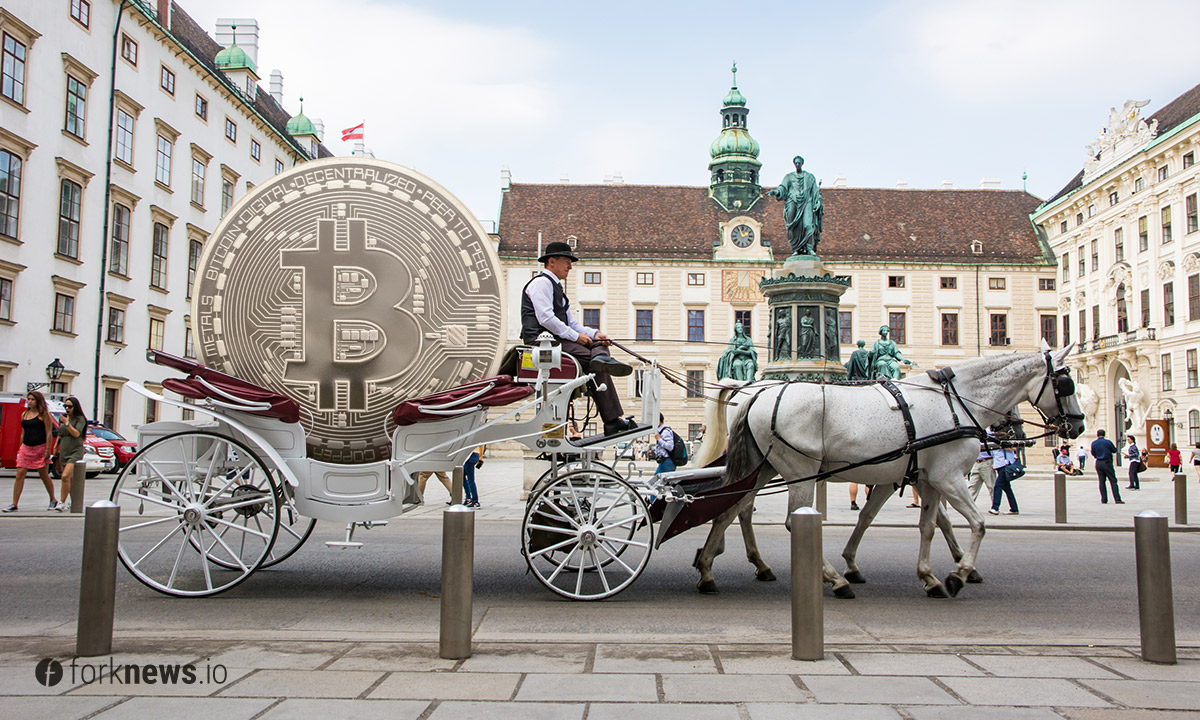
According to Western media reports, the European Union is considering tightening regulations for cryptocurrencies such as Bitcoin, Ripple and Ether.
According to Bloomberg, EU economy and finance ministers will hold an informal meeting in Vienna next week to discuss issues related to cryptocurrencies. Many of the meeting participants have already expressed their concerns that cryptocurrencies lack transparency and are being used as a means of tax evasion, terrorist financing, and money laundering. These participants are demanding the introduction of stricter rules of the game in the crypto market.
The latest EU anti-money laundering bills came into force in July. These bills would provide a regulatory framework for regulating digital currencies.
The laws aim to provide greater transparency by limiting the ability to make anonymous payments using prepaid cards.
Three EU financial regulators warned potential investors in February about the risks associated with buying and holding cryptocurrencies.
“Virtual currencies currently available for purchase are assets that are not issued or guaranteed by central banks or government authorities and therefore do not have the legal status of money,” said a document jointly issued by the European Securities and Markets Authority, the European Banking Authority, and the European Insurance and Occupational Pensions Authority. - "Such currencies are associated with high risks, they are usually not backed by any tangible assets, and they are not regulated by European law. Based on this, it can be argued that they do not guarantee legal protection for consumers."

You May Also Like
Brazilian MP proposes to legalize wages in Bitcoin
A Brazilian congressman has proposed a bill that would legalize the payment of wages in cryptocurrency.
Wall Street retreats from cryptocurrency
According to Bloomberg, Wall Street is gradually abandoning the cryptocurrency market. Despite market declines, regulatory issues, and fraud, there was a time when it looked like Wall Street would be able to drive up prices in the crypto asset market.
