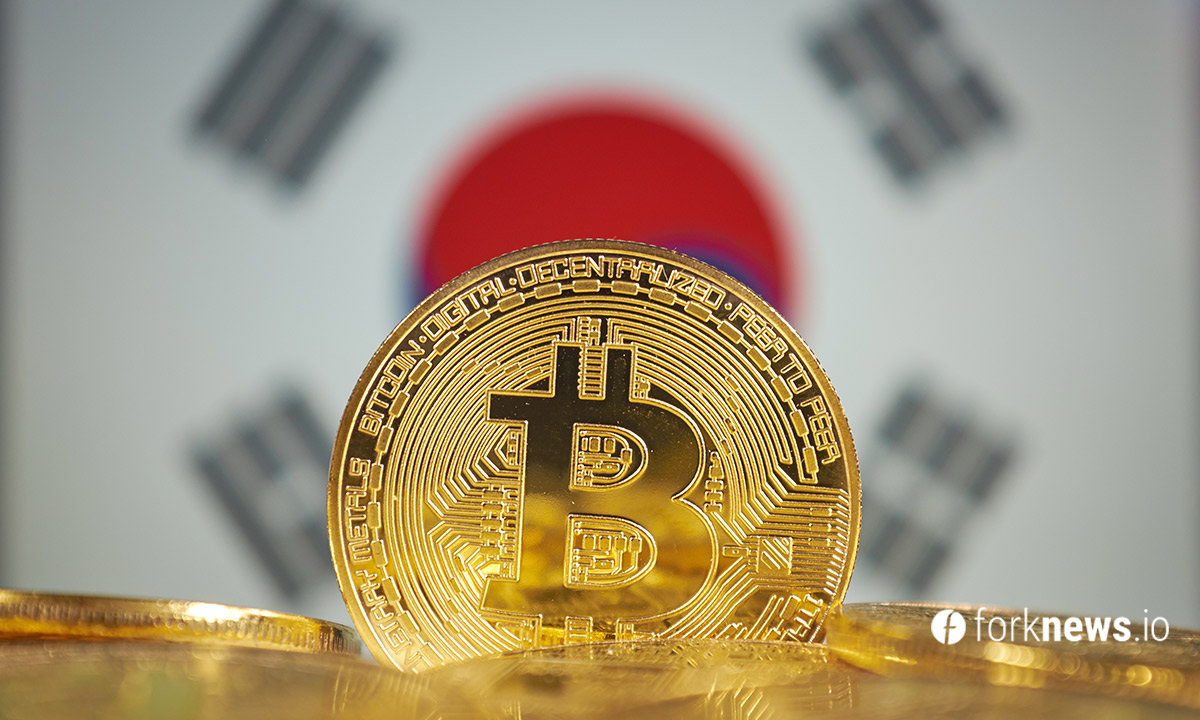
In September, the South Korean government introduced harsh measures against crypto exchanges. The “bloody massacre” led to the fact that out of several dozen sites, less than ten remained afloat. Between the survivors, something began that can be compared to the times of the 90s, through which the business of post-Soviet countries went through.
Under pressure from the Financial Intelligence Group of the UK, from September 20 to 24, 58 of the 64 operating exchanges and exchangers in the country were closed. At this time, the licenses issued by the country's financial regulators were expiring, and only a few managed to meet the requirements for obtaining new ones.
One of them was the need to obtain permission from the ISMS (Information Security Management System). The security certificate could only be obtained by exchange platforms that comply with the KYC (“Know Your Customer”) rule and banking institutions that use trading tools.
Today, traders are served by 4 trading platforms:
- Upbit
- Korbit
- Bithumb
- Coinone
The first two have already received licenses from the Financial Intelligence Unit, and the other two were given temporary permission to trade while their applications are being reviewed.
Upbit representatives are rumored to be closely related and friendly connections in the ISMS, so most traders believe that the fate of closed platforms is already predetermined and move to this site.
A classic takeover of all others by one exchange occurs. 80% of South Korean traders (which is almost 9 million people) now make money on Upbit, which has become a de facto monopolist on the crypto market.
This platform actively cooperates with the authorities and tax authorities and has a reputation for being tough on identifying clients. This began after 2018, when a criminal case was opened against Upbit, and then closed on suspicion of theft of client funds and falsification of reports. In November 2019, 342,000 ETH were stolen from the exchange. The amount of damage amounted to $50 million.
Note that the funds stolen from the exchange were never returned to clients, and the company's managers were not punished. Now we are seeing how not the largest exchange in the country is slowly absorbing stronger market players.
Subscribe to ForkNews on Telegram to stay up to date with news from the world of cryptocurrencies

You May Also Like
Roskomnadzor plans to fine Google 10% of revenue
Roskomnadzor continues to fight Google for “content purity” and threatens new fines for untimely removal of prohibited information.
British regulator is investigating Sorare's activities
The UK Gambling Commission (UKGC) has warned that fantasy football blockchain platform Sorare does not have a UK gambling license.
