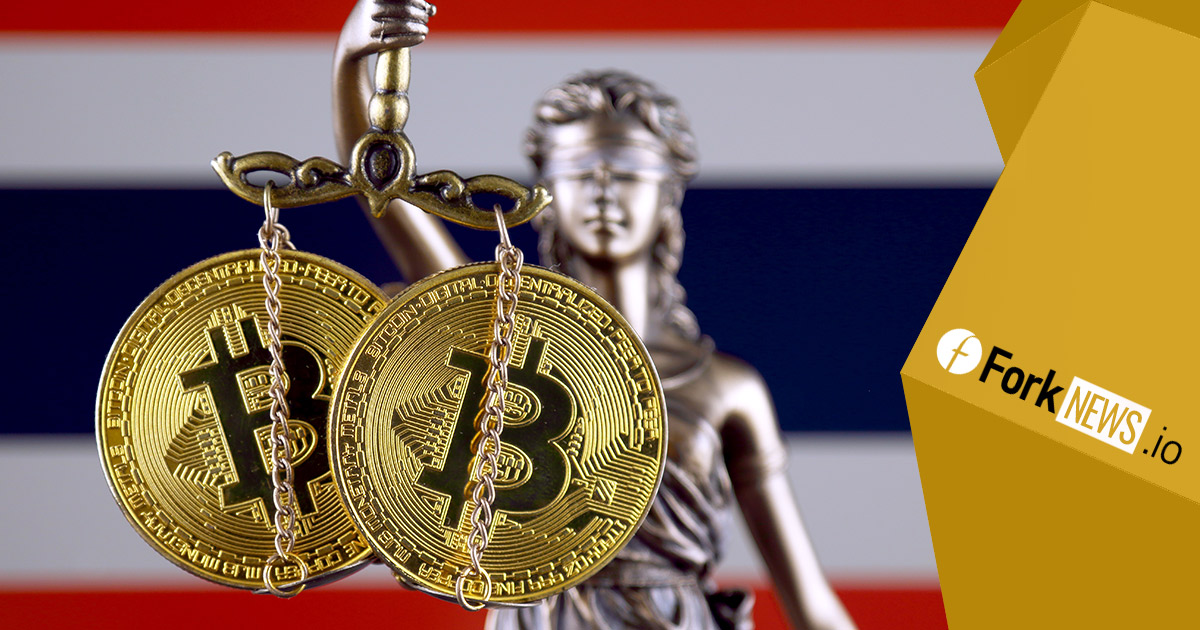
The Securities and Exchange Commission of Thailand (SEC) has finally put an end to the long and colorful debate about cryptocurrency and its role in the country’s economy.
The first official reaction of the authorities to the thriving shadow crypto market, in February of this year, was a ban on all financial institutions of the country from any transactions with cryptocurrencies, including input/output, exchange, as well as any forms of investment (including ICO). But just a few weeks later in March 2018, the ban was abandoned and double taxation was introduced. Later, having agreed that it was impossible to stop the use of cryptocurrencies in the country, Thailand's financial agencies moved to actively studying their technologiesand the possibility of use in the public sector. Finally, last week, the Securities and Exchange Commission of Thailand approved legislation for cryptocurrencies and initial coin offerings (ICOs).
The government's new financial policy began with the legalization of trading in seven cryptocurrencies officially approved for brokerage and initial coin offerings (ICOs). These cryptocurrency assets included: Bitcoin (BTC), Ethereum (ETH), Bitcoin Cash (BCH), Ethereum Classic (ETC), Litecoin (LTC), Ripple (XRP) and Stellar (XLM). The main criteria used when choosing currencies were “consensus credibility and cryptocurrency liquidity”, as well as the fact that they “do not contribute to privacy.” - according to SEC Deputy Secretary General Kesuda Tawaramara.
The main positions for cryptocurrency market participants are registration, taxes and penalties for non-compliance with legislation.
Registration
Cryptocurrency market participants, including ICO issuers, digital exchanges, brokers and sellers, must register with the SEC within three months from the date of entry into force of the new rules. In addition, it is necessary to obtain approval from the Ministry of Finance to conduct transactions with digital assets. Upfront registration fee of $156.
Taxes
Annual fees: 0.002% of total crypto exchange trading volume for exchanges or a minimum fee of $15,619 and 0.001% of total trading volume for brokerage firms or a minimum fee of $7,810..
Sanctions
Unauthorized cryptocurrency trading and even cryptocurrency investment seminars are subject to a fine of no more than twice the digital transaction amount or a minimum of $15,620. Also in these cases, a prison sentence of up to two years may be applied.

You May Also Like
Coinbase proposed creating a separate body to regulate cryptocurrencies
Coinbase proposes to create separate legislation for the cryptocurrency industry and a separate agency that would regulate it.
New York mayor speaks out against mining
Eric Adams spoke out strongly against cryptocurrency mining during a state budget hearing.
