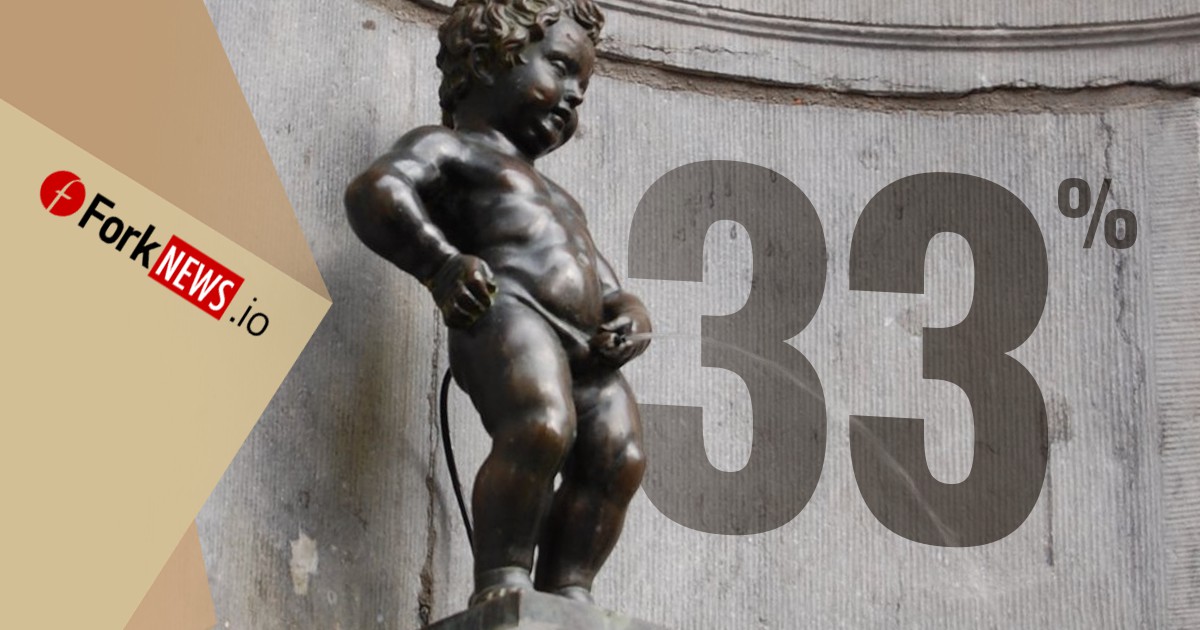
The country's Special Tax Inspectorate (STI) has opened three cases of non-payment of taxes by citizens. Under Belgian law, citizens are required to pay a 33% tax on profits from cryptocurrency activities, and said profits must be declared as “other income” on their tax return.
STI makes every effort to ensure compliance with the tax code, given that most cryptocurrency transactions take place on foreign exchanges and assets are held on foreign platforms.
However, STI does pursue tax evaders. As noted by FFS spokesman Francis Adnes, foreign governments are helping Belgium deal with such defaulters.
For each of the three above-mentioned cases, STI received the necessary tax information from foreign tax authorities. The inspectorate also calls on cryptocurrency exchanges to cooperate and provide information regarding Belgian citizens.
Belgium is not the only country that seeks to receive its “lion’s share” from citizens’ cryptocurrency activities.
Recently, the popular Californian exchange Coinbase transmitted information about 13,000 usersInternal Revenue Service (IRS). The information provided included identification numbers, names, date of birth, address and transaction history of some active customers from 2013 to 2015.
Unfortunately, unjustified actions by governments around the world may become common as the cryptocurrency market grows.
According to http://bitcoinist.com

You May Also Like
Türkiye is at war with cryptocurrency
Turkish President Recep Tayyip Erdogan said the government is at war with cryptocurrencies.
FCA: Kim Kardashian pampila cryptotoken
The UK Financial Conduct Authority (FCA) suspects Kim Kardashian of manipulating the price of the Ethereum Max token and advertising dubious products.
