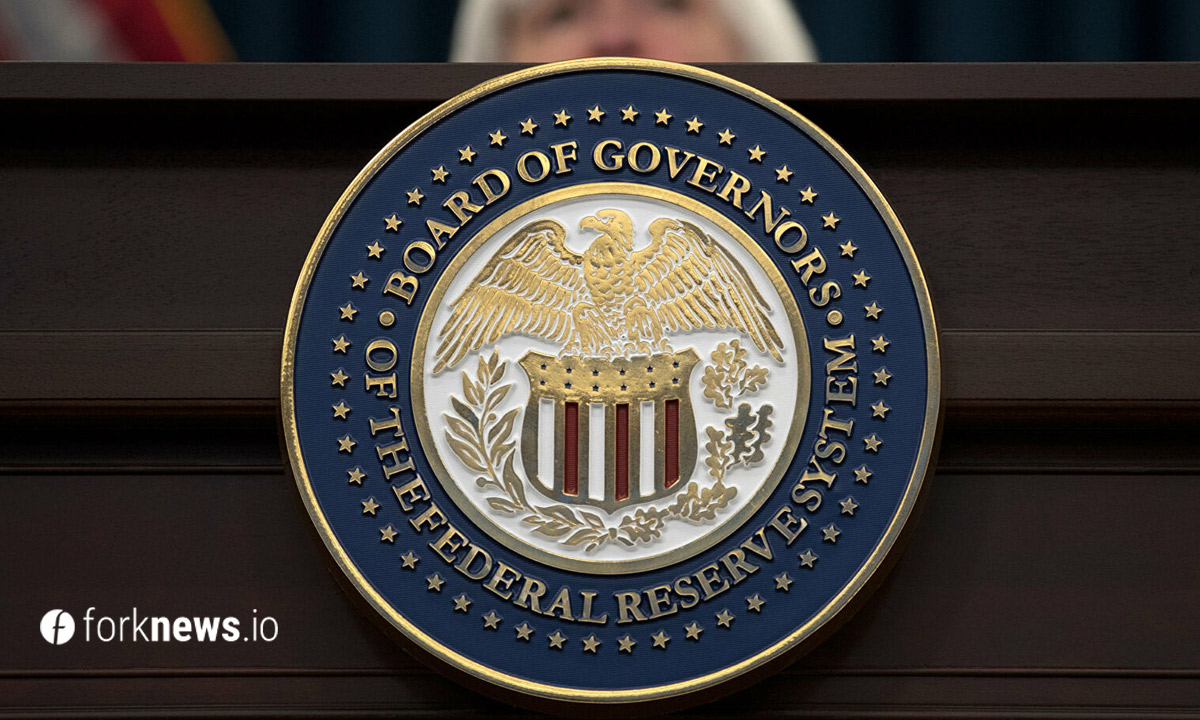
The Federal Reserve has released a report outlining the potential advantages and disadvantages of issuing a digital dollar.
The Federal Reserve released a report, which had been expected since last summer. In it, the regulator described the pros and cons of a central bank digital currency.
Fed staff have been studying CBDCs for “several years,” but creating a digital currency backed by the Federal Reserve will be difficult. The paper notes:
Designing appropriate security for a CBDC can be particularly challenging because a CBDC network could potentially have more entry points than existing payment services.
But for all the technological challenges, the document notes:
CBDC will be the safest digital asset available to the general public, with no associated credit or liquidity risk. While securing a CBDC would be challenging, a digital dollar could improve the operational strength of the payment system if it were designed to operate offline (that is, if it allowed some payments to be made without access to the Internet).
Essentially, the Fed has spoken neither for nor against the issuance of a CBDC. The agency is seeking public comment on more than 20 questions on this topic. People will have until May 20 this year to participate in this phase of the research. Moreover, the report makes it clear that the Fed will not promote CBDC unless it receives clear support from the executive branch as well as Congress.
Subscribe to ForkNews on Telegram to stay up to date with news from the world of cryptocurrencies

You May Also Like
The US plans to equate stablecoin issuers with banks
According to American media reports, the White House is considering introducing strict regulation against stablecoin issuers.
Gary Gensler Urges Exchanges to Register with the SEC
During testimony before the Senate Banking Committee, Gary Gensler said that in the absence of regulatory standards, the cryptocurrency market will not be able to protect its participants from fraud and illegal activity, and will not be able to provide them with financial stability.
