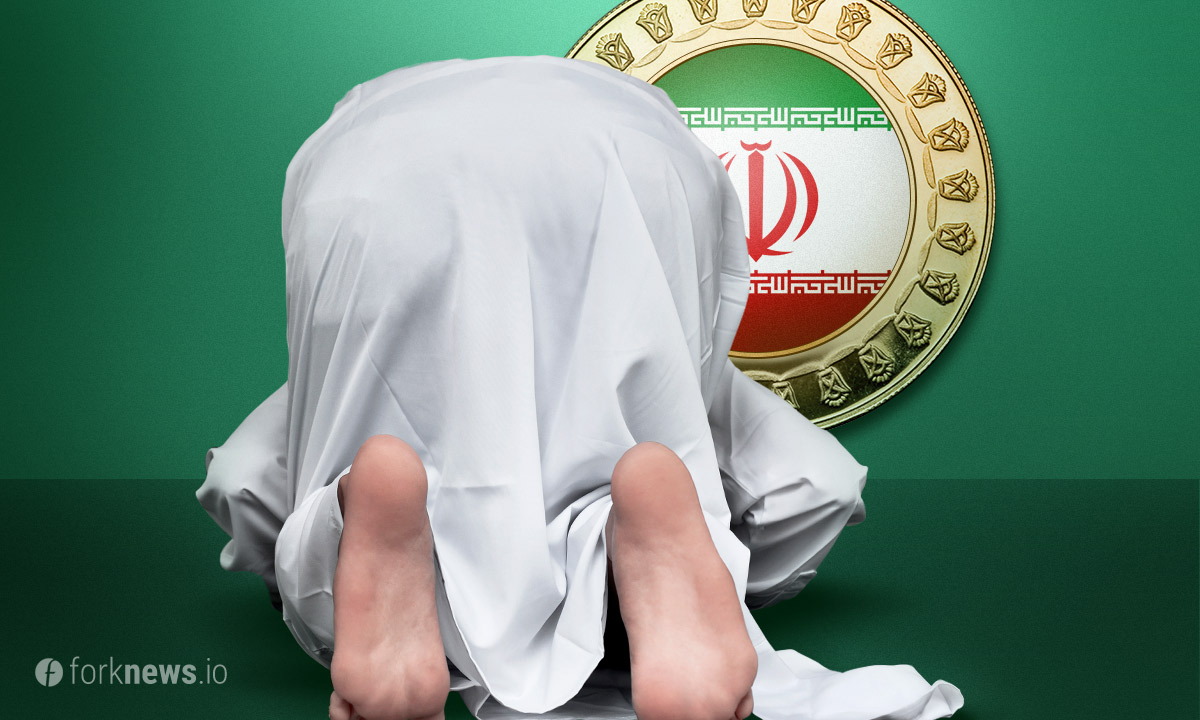
Iranian authorities believe that a national digital currency will help circumvent new US sanctions. According to Iranian media, the list of tasks of the Department of Science and Technology under the Iranian government has already included a plan to create a national cryptocurrency.
According to the ISNA news agency, Deputy Head of the Department of Management and Investment Alireza Daliri said that most local innovative companies have the proper knowledge and capacity to develop digital currency. However, they are still working on ironing out the kinks before launch. The official added that the companies are working on the project in cooperation with the Central Bank of Iran (CBI). “We are trying to pave the way for the use of a national digital currency in the country. This currency will facilitate cross-border remittances and can also help us with the imposition of new sanctions,” said Daliri.
In May, US President Donald Trump announced the US withdrawal from the 2015 agreement regarding Iran's nuclear program and announced additional sanctions on Iran, which will include, among other things, a ban on Iran purchasing US dollars, which will take effect in August, as well as sanctions that include restrictions on the purchase of crude oil from the country and investments in projects oil sector, which will take effect by early November.
On Wednesday, Iranian local news reported that the country has developed its first national encryption key based on blockchain technology, according to department officials.
According to a report by the Islamic Republic of Iran News Agency, it will be implemented in Iran's national banking system within the next three months after potential shortcomings are resolved. Accordingly, it can be used to back Iran's national currency and then be used as a token for financial transactions by commercial banks.
Banks will be able to develop smart contracts using the capabilities of their own token and expand the necessary payment services, including the creation of digital wallets.
According to payvand.com

You May Also Like
Where can you avoid paying taxes on cryptocurrency? Part 2. Asia
We tried to understand and systematize how regulators in Europe, Asia and the post-Soviet space approach the issue of selling, exchanging and mining digital coins.
New York mayor speaks out against mining
Eric Adams spoke out strongly against cryptocurrency mining during a state budget hearing.
