As digital assets develop, the desire of cybercriminals to take possession of them only grows; they are constantly coming up with new ways of deception.
At the end of July, for example, the Steam platform blocked a game called Abstractism after its employees discovered that the game was using the processing power of players' computers. It's a clever idea - gamers often use fairly powerful hardware.
Now another attacker wants to make money on the cryptocurrency hype, albeit using a different method. The smartphone app called “BINANCE” appears to have no connection to the actual crypto exchange.
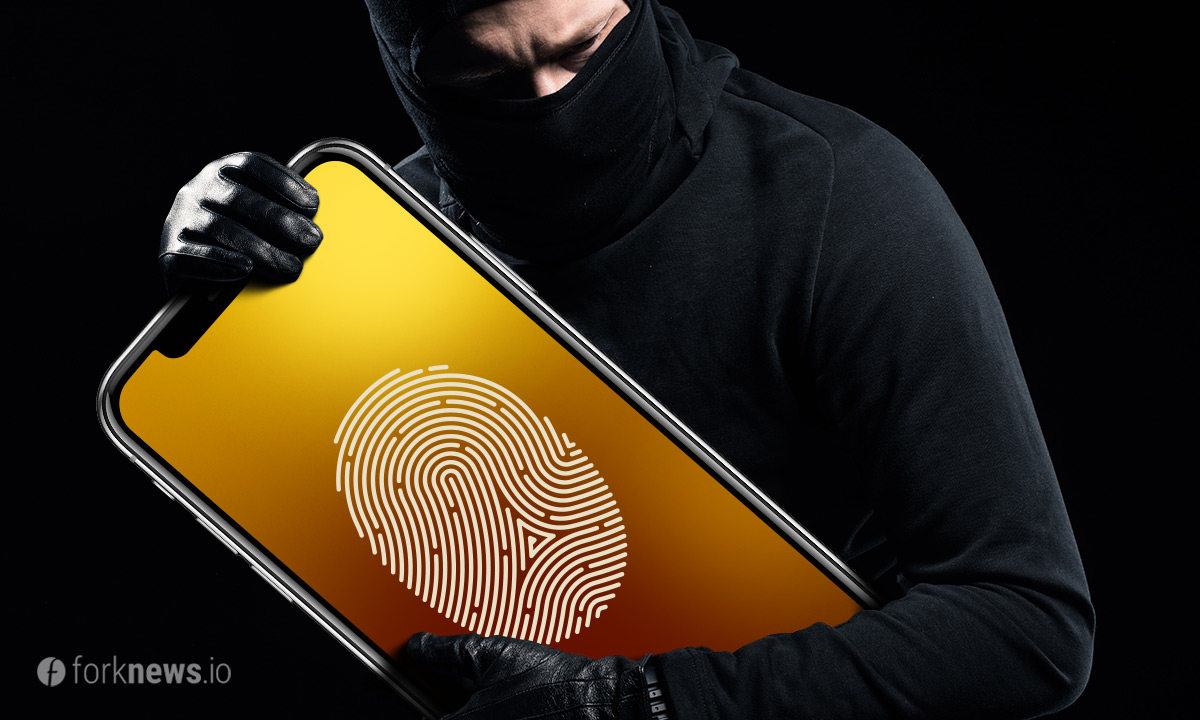
Despite the overall AppStore rating of 4.1, BINANCE Crypto Widget received more extremely negative reviews. According to some users, this application shows a pop-up link to pay for a purchase online when the phone owner's finger is on the “home” button. On Apple phones, the fingerprint scanner also serves as confirmation or a “digital signature” for making purchases. Users claim that the creators specifically designed these pop-ups to deceive their customers.
The payment amount varies from $34 to $200, many of the application users continue to write angry comments.
“As soon as you open the application, you receive a pop-up window asking you to remove ads for money. If your finger is on the scanner at this moment, the payment will go through,” one Reddit user wrote.
“I installed the application, and immediately after launching I received a notification with a pop-up window. Within two minutes, $200 was charged from my bank account for an “ad-free user experience.” I contacted Apple and they were able to cancel transaction, so the money will be returned within 10 banking days.”
Although credit card payments are easy to cancel, Apple should take a closer look at the reasons for the user interface problems. They should also tighten the selection criteria, as more such applications will appear in the future.
According to https://coingeek.com

You May Also Like
Promising ICO project Taylor shot down on takeoff
A young project that promises to help newcomers to the exchange as an electronic trader lost about $1,536,488 as a result of a hacker attack last week.
A new round of gray mining - browser mining
With the advent of javascript miners, hackers have significantly expanded their opportunities for parasitic cryptocurrency mining.
