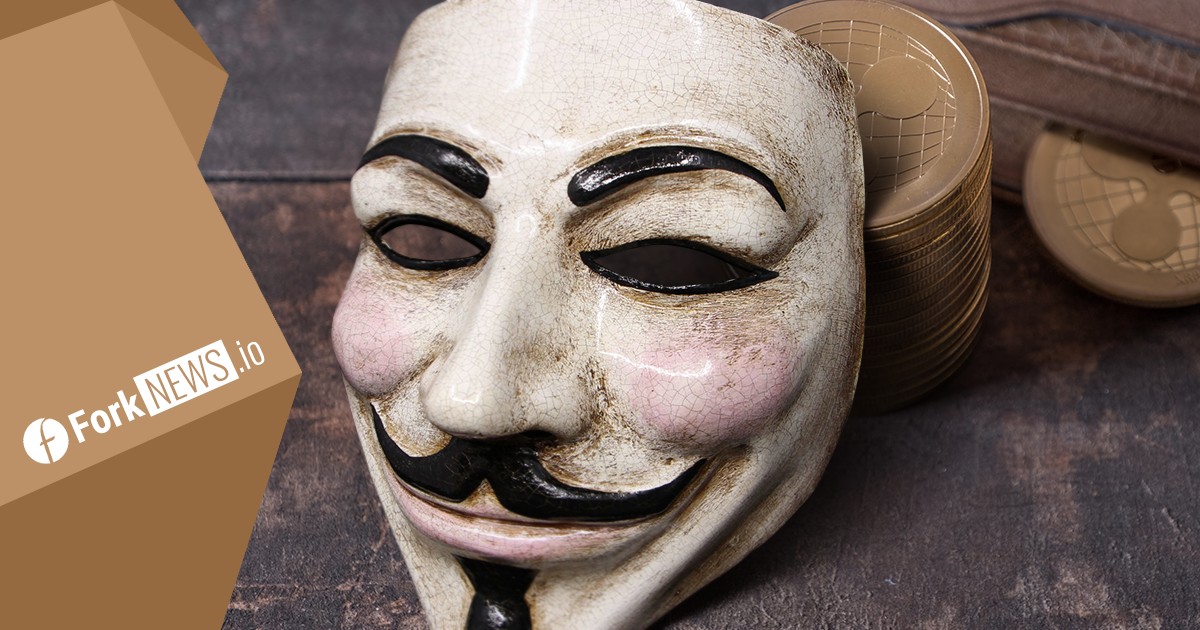
Bank of Montreal and online bank Simplii Financial (which is owned by CIBC) reported that hackers stole users' personal information this weekend. After obtaining confidential data from approximately 100,000 clients of two Canadian banks, the hackers demanded a $1 million ransom in Ripple tokens or they would publish the stolen information.
A CBC News report found that cybercriminals reported stealing information such as names, account numbers, passwords, security questions and answers, as well as social security numbers and account balances.
The letter, sent from Russia on Monday, read:
“We are warning BMO and Simplii that we will release personal information about their customers if the banks do not cooperate with us.”
The hackers said they gained partial access to the two banks' databases using a common mathematical algorithm designed to quickly authenticate relatively short numerical sequences such as card numbers and Social Security numbers. Using this algorithm, hackers managed to steal account numbers. This gives them access to the answers to security questions so they can completely take over the account.
$1 million ransom
The letter also asks for a ransom payment of $1 million in Ripple (XRP) if both banks want their customer information back and prevent it from being published.
“These profiles will be circulated on scam forums and communities if we do not receive the ransom before 11:59 May 28,” the email said.
It is believed that the hackers did not specify a payment deadline. Speaking with representatives of the Bank of Montreal, CBC News journalists found out that both banks did not pay the attackers, and at the moment they are busy protecting information about their clients.
According to ethereumworldnews

You May Also Like
Researchers claim that 400,000+ MikroTik routers are infected
The MikroTik mining virus was first discovered in August in Brazil, but has since continued to spread throughout the world.
Hackers infected several Indian government websites
Andhra Pradesh Municipal Administration, Tirupati Municipal Corporation and Macherla Municipal Administration portals are among several hundred Indian websites infected with malware. This software uses the victim’s computer to secretly mine cryptocurrencies. Hackers achieve this by sending malicious links to victims' emails, or by infecting websites with JavaScript code.
