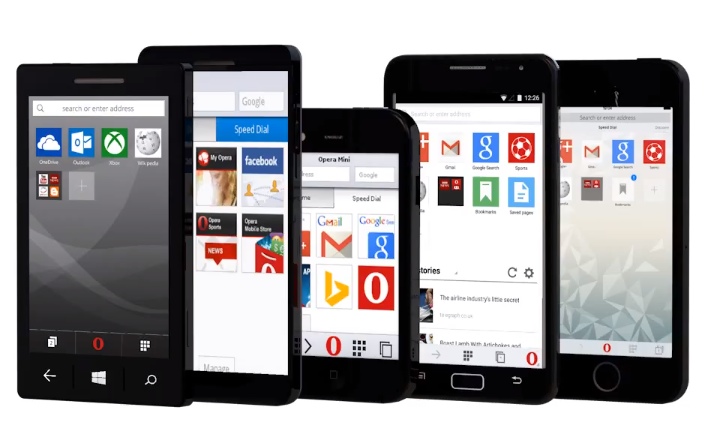
The Opera browser, which has already provided computer users with anti-mining protection against malicious websites and programs in its new version, will now add a similar feature to smartphone browsers, the company said in a statement on January 22.
This feature will be built into the ad blocker for Opera Mini and Opera for Android. The press release states: “The new cryptocurrency mining protection feature will be enabled by default when you launch ad block in the Opera Mini (iOS and Android) or Opera for Android applications. Ad blocking can be enabled by going to the application’s “settings”; the application will automatically begin to identify and disable malicious mining scripts.
Oper believes that the browser performance of more than a billion smartphones around the world is slowed down by such viruses. They are also confident that more than 3 million websites have embedded codes that allow attackers to mine cryptocurrency using the computing power of the device. According to the company's tests, a smartphone susceptible to cryptojacking can overload the device's central processor, which in turn leads to accelerated battery drain and overheating of the device.
According to an article by ZDNet, the damage caused by such viruses can be permanent, according to them, to the battery of the infected phone. Trojan, overheated so much that it swelled, permanently damaging the device. Until recently, one of the main reasons for the phone overheating while working with the browser was advertising, in the same case the central processor was used for cryptocurrency mining. According to the article, “the load on the processor was so powerful that the phone failed in less than 48 hours.”
According to a statement from Opera, a new version for smartphones is already available for smartphones. downloads.
According to https://www.coindesk.com

You May Also Like
Amazon Fire TV media player may be infected with Android virus
Watching pirated movies or TV channels through the Amazon Fire TV Stick or Amazon Fire TV media player can infect your Android device with malware that allows for hidden mining.
Hackers infected several Indian government websites
Andhra Pradesh Municipal Administration, Tirupati Municipal Corporation and Macherla Municipal Administration portals are among several hundred Indian websites infected with malware. This software uses the victim’s computer to secretly mine cryptocurrencies. Hackers achieve this by sending malicious links to victims' emails, or by infecting websites with JavaScript code.
