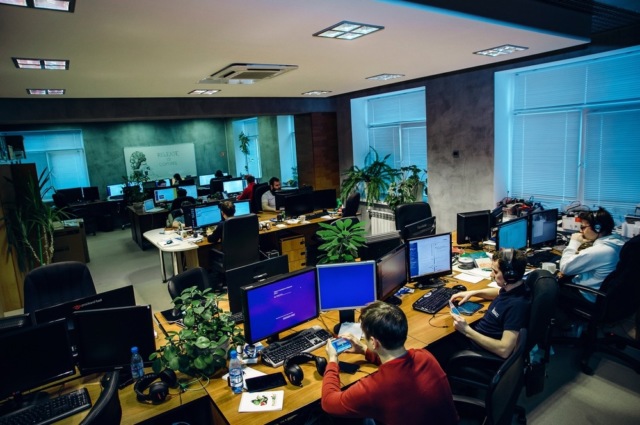
Major Korean exchanges are at the peak of development. More and more employees of banks and government agencies are quitting their jobs and taking jobs in Korean stock exchanges, where more favorable conditions and flexible work schedules await them.
The world's most famous cryptocurrency exchanges recently announced the recruitment of new employees. This statement appeared online immediately after the Korean government tightened regulations regarding cryptocurrencies. Bithumb, which currently has 450 employees, said it is opening an additional 400 positions for full-time employees. 300 of them will work in the company's customer centers, and 100 will work at the headquarters, reports the Money Today news portal.
The rapid growth rate of the Korean digital currency market is creating demand for labor. The most in-demand position in this area is an IT specialist, as the Korean government recently ordered exchanges to “create a security system in cryptocurrency markets that is not inferior to the government security system.”
The Korean cryptocurrency market is “absorbing” the workforce and financial resources available to banks and brokerage firms. Current bank employees have already submitted their resumes to companies such as Bithumb, Coinone, Korbit and Upbit. Workers will receive overtime pay, stock options, and travel expenses. In addition, they will have access to a fitness club membership and a massage therapist.
According to https://news.bitcoin.com

You May Also Like
KuCoin launches virtual office in the Blocktopia metaverse
According to the exchange's announcement, Meta Office will allow users to interact with their tokens and each other in the virtual space.
Huobi recognizes Bitcoin Cash ABC as a true fork
Last week, immediately after the Bitcoin Cash (BCH) hard fork, it was too early to say which fork would become dominant. Large exchanges have stopped trading Bitcoin Cash until the chain split is assessed by experts and, having divided the BCH balances into two new assets, took a wait-and-see approach.
