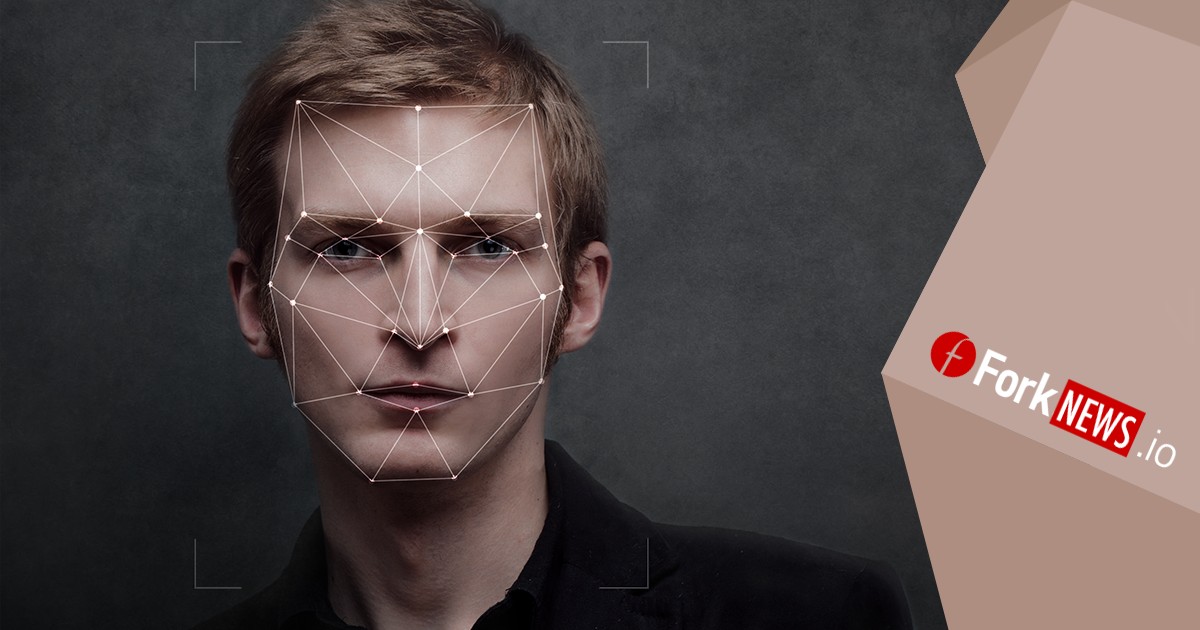
More and more countries around the world are introducing this technology. Government agencies are very interested in facial recognition, citing security concerns while ignoring the right to privacy.
Facebook may have to pay a real price for invading users' privacy. A federal judge in California ruled Monday that the social network's millions of users have grounds to sue Facebook in a class-action lawsuit for billions of dollars. The cause of action is the use of photo scanning technology that violated Illinois law by collecting and storing biometric data without consent. Back in 2015, three citizens sued the social network over this issue, but now the number of plaintiffs could reach millions, and Facebook will have to answer for interference in the privacy of users.
Since 2015, China began to create a unified national database based on a facial recognition system. Today it is used not only by law enforcement agencies. It works successfully in restaurants, banks, and customs, and toilets with a facial recognition system have recently appeared. Earlier this year, during an experiment, police officers were “armed” with “smart” glasses that scan the faces of passers-by.
Dubai International Airport intends to install “virtual aquariums” in which marine animals and fish will mask 80 cameras scanning the faces and irises of passengers. The technology will make it possible to more effectively control passenger flow.
At nine American airports, a facial recognition system installed by the Department of Homeland Security already scans the faces of passengers as they board a plane. This allows you to board the plane without presenting your passport or boarding pass. And the medical technology development company NextGate has developed a program that identifies patients by photo and finds their medical history.
Japan plans to ensure the safety of the 2020 Olympics through this technology. It will be used on a large scale for the first time in the summer in Tokyo. The Japanese authorities intend to prevent possible terrorist attacks in this way.
Russia is introducing a facial recognition system to track criminals on the federal wanted list. The pilot project covers a number of Moscow metro stations, airports, railway stations and many stadiums..
More and more countries are beginning to actively use intelligent video analysis systems to ensure security. Although this technology does not have a clear legal status.
The human rights organization Electronic Frontier Foundation calls this trend a “real and immediate threat” to privacy.
In the European Union, such technologies must comply with the EU Data Protection Directive, and from next year, also with the General Data Protection Regulation.
Automatic verification, which is carried out on the basis of facial recognition, is highly questionable from the point of view of preserving a person’s right to privacy data.
The line between the real struggle for the protection of citizens and the desire of the state to strictly control taxpayers is blurred today. State security agencies reserve the right to violate privacy laws under the guise of a “threat to state security.” The proliferation of such technologies, in essence, gives taxpayers the right to protection frominvasion of privacy and the preservation of confidentiality
Society may still have to struggle with the violation of human rights and with the state's intrusion into its personal space

You May Also Like
HTC will release a phone with a built-in wallet
The second smartphone with cryptocurrency support created by a major electronics manufacturer will soon hit the market. Could this be the start of a trend for all manufacturers of similar devices?
Blockchain takes to the skies
The Lufthansa Innovation Center (LIH) and SAP.iO Berlin Foundry have teamed up to launch the world's first aviation Global Blockchain Challenge. The recently announced competition is essentially a way to bring awareness to the use of blockchain technology in the Travel and Mobility Tech fields.
