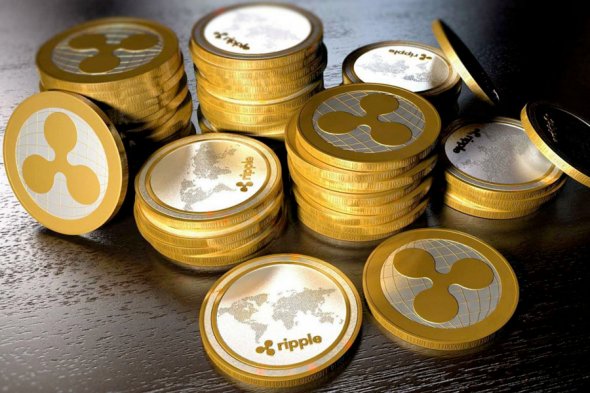
On Friday, December 15, Japanese and South Korean banks will begin testing Ripple's blockchain technology to make cross-border payments within one day with a 30% reduction in fees.
The Japanese side in the experiment is represented by SBI Ripple Asia, a division of SBI Holdings. The Korean side is represented by the blockchain company DAYLI Intelligence and the country's two largest banks.
Ripple technology allows banks to abandon centralized clearing operations (non-cash settlements for counter obligations), and also conduct operations in real time with significantly lower commissions.
If testing gives a positive result, the first real cross-border Ripple payments between Japan and South Korea will be made in the spring of 2018. With the help of the XRP token, banks intend to reduce commissions by up to 60% compared to traditional instruments.
Recall that this system was launched in 2012 and attracted serious attention from banks. As of April 2017, Ripple’s clients include 75 banks, including such giants as BBVA, StandardChartered and Bank of America. At the moment, Ripple's capitalization is about $8.9 billion. Since the beginning of August 2017, it has grown 1.4 times.
Ripple is in fourth place in terms of market capitalization among cryptocurrencies.
According to https://asia.nikkei.com

You May Also Like
Keith bought more than 153 billion SHIB
The crypto whale bought 153 billion coins worth $11 million.
Gemini adds Bitcoin Cash
Popular cryptocurrency platform Gemini has announced support for Bitcoin Cash (BCH). The crypto giant only recently partnered with Cboe Global Markets Inc. to supply Bitcoin futures.
