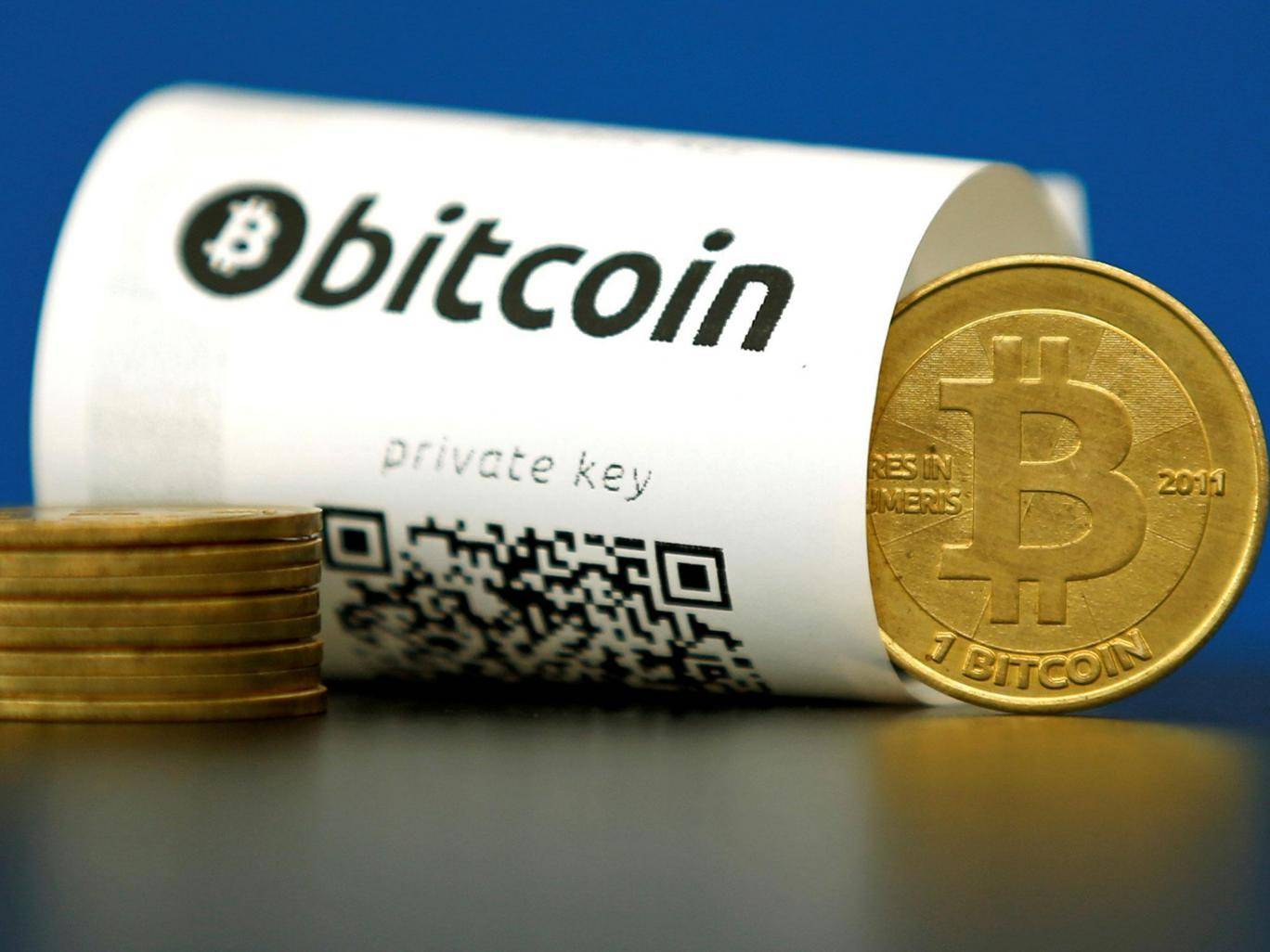
According to the Bank for International Settlements (BIS), the world's central banks cannot ignore the growth of cryptocurrencies, as it could threaten the stability of the financial system. According to the BIS, banks should decide whether to issue a cryptocurrency and, if so, what its characteristics should be.
The solution to this problem is more than relevant for countries such as Sweden, where the use of cash is rapidly declining. Banking institutions should take into account not only privacy surveys and improving system performance, but also the economic consequences of its launch, says the BIS quarterly report.
At the Central Bank of England, Mark Carney called cryptocurrency part of a potential “revolution” in finance. To better understand how the system works, the Dutch central bank created its own cryptocurrency, exclusively for internal use.
U.S. officials are also looking into the survey, although Federal Reserve Gov. Jerome Powell said in March that there were “important policy issues” that needed further study, including vulnerability to cyber attacks, privacy and the threat of counterfeiting. According to the BIS, one option for central banks could be a currency available to the public, issued by the central bank, which would have the option of being directly converted into cash.
According to http://www.independent.co.uk

You May Also Like
TOP 5: review of long-lived crypto wallets
Crypto wallets play an important role in the secure storage and management of digital assets. When choosing a wallet, we suggest paying attention to a number of parameters, such as security, ease of use, and longevity on the market.
Media: the first Bitcoin ETF in the US will be launched next week
The long-awaited launch of the Bitcoin ETF may happen on Monday.
