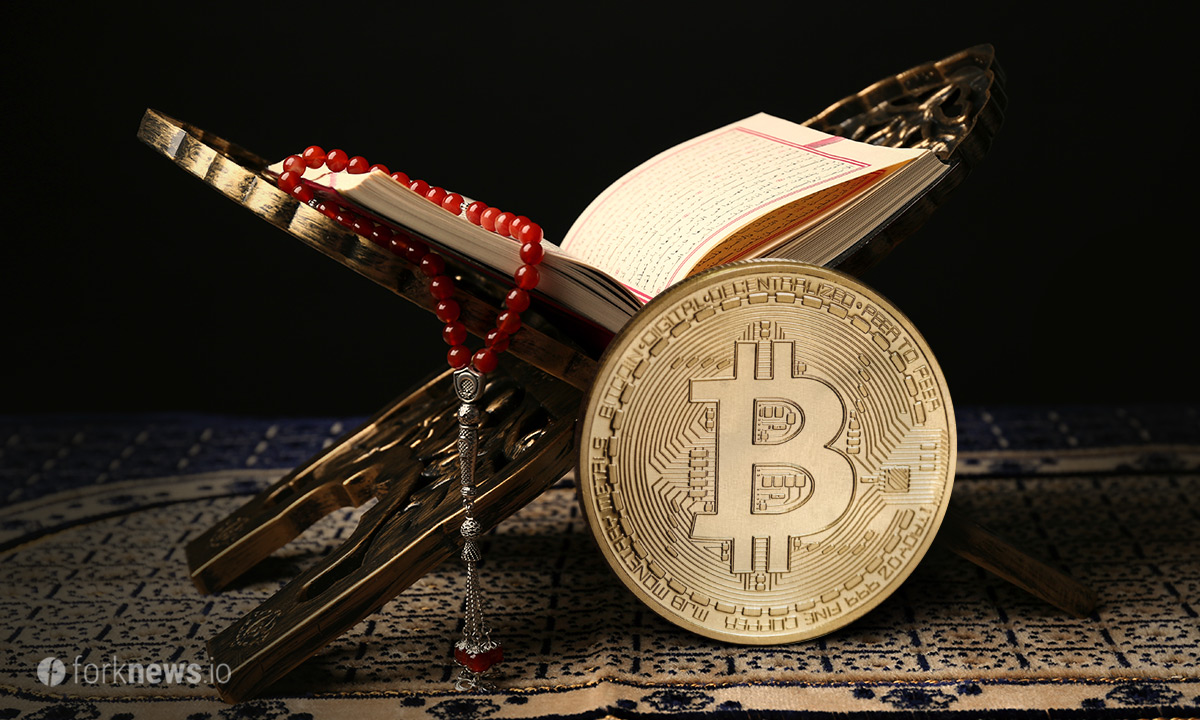
On October 31, 2008, Bitcoin was born. Today, ten years later, the world's first cryptocurrency leads a complex financial system that markets and large investors are eyeing with caution.
To summarize the white paper of Bitcoin, which currently costs about $6,500 per coin from virtually zero price in 2008, it was intended to be a “peer-to-peer version of electronic money that will allow parties to exchange funds without the intermediary of financial institutions.”
A decade later, these capabilities are still available through a decentralized system known as blockchain.
After its creation, Bitcoin evolved over several years away from the public eye, mostly initially attracting the attention of geeks and criminals, and later began to be used for money laundering.
After the price of Bitcoin exceeded $1,000 in 2013, large financial institutions began to take an interest in it. The European Central Bank called it a pyramid scheme, but US Federal Reserve Chairman Ben Bernanke extolled its potential.
In early 2014, the cryptocurrency faced its biggest crisis to date when hackers broke into the platform Mt.Gox, on which about 80% of all bitcoins were traded at that time. As a result of this, Bitcoin fell sharply in price, many predicted the imminent death of the progenitor of all digital money.
The price of Bitcoin fully recovered only in 2017. According to experts, the price recovery was a “turning point” for the cryptocurrency, as its price soared to more than $19,500 by the end of the year.
According to Coinmarketcap, Bitcoin's market capitalization at that time was more than $300 billion. By January 2018, the value of all cryptocurrencies exceeded $800 billion, and then, according to skeptics, the bubble burst.
According to analyst Bob McDowell, the concept of cryptocurrencies has developed significantly thanks to Bitcoin, as it has about a thousand competitors.
“This is more of an economic innovation than a technological one. For many people, cryptocurrencies have become a kind of religion,” he notes.
Despite this, the famous American economist Nuriel Rubini believes that the decentralization of cryptocurrency is a myth.
“This system is more centralized than North Korea. Miners are centralized, exchangers are centralized, developers are centralized dictators," Roubini said on Twitter.
Although the original purpose of Bitcoin was to facilitate payments, most experts agree that it is currently used more as a store of value or speculative instrument. Currently, the Bitcoin network can process between five and ten transactions per second. By comparison, Visa payment system can process several thousand transactions per second.
Now US market regulators are considering the possibility of creation Bitcoin ETF
If this idea is approved by the Securities and Exchange Commission, then the digital currency, the purpose of which was to get rid of the traditional financial system, will become just a part of it.
According to arabianbusiness.com

You May Also Like
Teletubbies invest in Bitcoin
The British children's animated series “Teletubbies,” which has been airing since 1997, has hinted at a possible investment in Bitcoin.
MicroStrategy bought another 5,050 BTC
MicroStrategy increased its BTC reserves by purchasing another 5,050 Bitcoins.
