
As market participants note, the popularity of cryptocurrencies is only growing in Turkey, despite a fairly strict ban on transactions with digital assets by the country’s authorities. What other states have banned cryptocurrencies, and how has this affected them?
At the end of 2021, against the backdrop of a sharp weakening of the Turkish lira, daily cryptocurrency trading volume reached $1.8 billion, which in a quarterly value exceeded the figure for each of the previous five quarters. At the same time, Bitcoin and Tether were the most popular among Turkish investors.
Dynamics of the Turkish lira exchange rate to the dollar
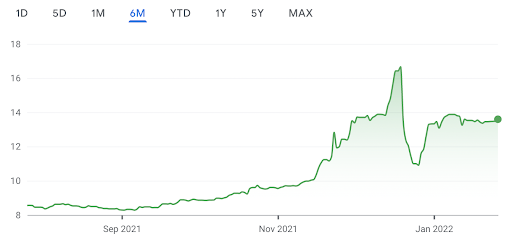
Source: google.com/finance
It is noteworthy that interest in cryptocurrencies among Turks is growing, despite the ban on the use of digital assets as a means of payment by the Turkish financial regulator. Soon, the Turkish government should publish a law on regulating cryptocurrencies in the country, but it is not yet very clear what it will look like in the final version.
Banneds in other countries
There are many in the world countries other than Turkey that have imposed fairly strict restrictions on the use of cryptocurrencies by their citizens. Some of the strictest were established in China, which declared absolutely all such transactions illegal, and also banned mining, including due to the unenvironmental friendliness of this type of activity. In addition to China, the ban was also introduced in some other countries in the Asian region - in Bangladesh, Thailand and Vietnam.
And in Latin America, despite the positive example of a favorable attitude towards Bitcoin in El Salvador, very strict bans were introduced in Ecuador and in Bolivia. There, working with cryptocurrency generally faces criminal liability.
This is not the end
However, the Turkish example demonstrates that the ban on working with cryptocurrencies does not have a critical negative impact on their popularity. So, for example, in Ecuador, people who want to buy or sell cryptocurrency circumvent prohibitions by using third-party sites, as well as payment services, with which they can purchase and then sell digital currency on any crypto exchange..
The strict measures introduced in China, of course, had a significant impact on investors at the moment - then Bitcoin fell in price by more than 13% and fell below the $40 thousand mark. However, cryptocurrencies survived this blow, and even miners who were based in China and were forced to change locations found new locations for themselves - moving, among other things, to the USA, Canada and, above all, to Kazakhstan. At the same time, the rate of the main cryptocurrency was able to recover after the fall.
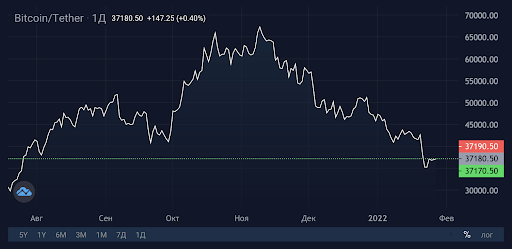
Source: stormgain.com
Author: Dmitry Noskov - crypto exchange expert StormGain (platform for trading, exchanging and storing cryptocurrency)
Subscribe to ForkNews in Telegram to stay up to date with news from the world of cryptocurrencies

You May Also Like
The mayor of an American city will distribute $1,000 in BTC to residents
The mayor of Cool Valley, Missouri, wants to give every resident of his city $1,000 in BTC, but under one condition.
Mike McGlone: "Bitcoin is preparing to jump to $70,000"
Bloomberg Intelligence senior strategist Mike McGlone believes Bitcoin is on a trajectory toward $70,000.
