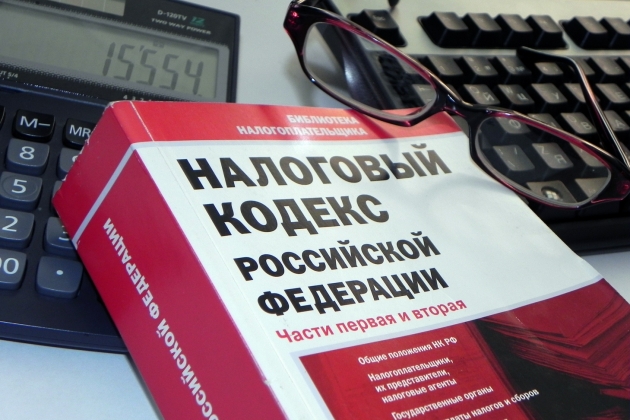
By the summer of 2018, the government and the Central Bank will have to develop a procedure for taxation and registration of companies engaged in cryptocurrency mining. This order was given by President Vladimir Putin
Corresponding amendments to the legislation must be made before July 1, 2018, according to the list of instructions of the president following a meeting on digital technologies in the financial sector.
The procedure for regulating the “public attraction of funds and cryptocurrencies by placing tokens” should be developed by analogy with the regulation of the initial placement of securities, the document notes.
The Cabinet of Ministers and the regulator will also have to determine the status of digital technologies used in the financial sector, including “digital mortgage”, “cryptocurrency”, “token”, “smart contract”. At the same time, the Cabinet of Ministers must proceed from “the obligation of the ruble as the only legal tender in the Russian Federation.”
Earlier in October, Putin argued that the use of cryptocurrencies entails serious risks that must be taken into account when regulating them. “If the system fails or bubbles are inflated, as it is sometimes fashionable to say now, there will be no legally responsible entity for them. This is such a serious thing that we must keep in mind when discussing this topic,” the president explained. Following the meeting on cryptocurrencies, Putin ordered to take control of their emission and mining.
According to https://www.rbc.ru

You May Also Like
What awaits Bitcoin: steady growth to $100 thousand or a collapse?
The main cryptocurrency has shown a sharp rise in quotes in recent days, rising above $65,000 for the first time since April. Against this background, the achievement of new historical highs is not far off. Will Bitcoin reach $100,000 this year, or is the market heading for a correction?
Bitcoin legalization critic arrested in El Salvador
The National Civil Police of El Salvador released a statement that Mario Gomez was detained in connection with an investigation into financial fraud.
