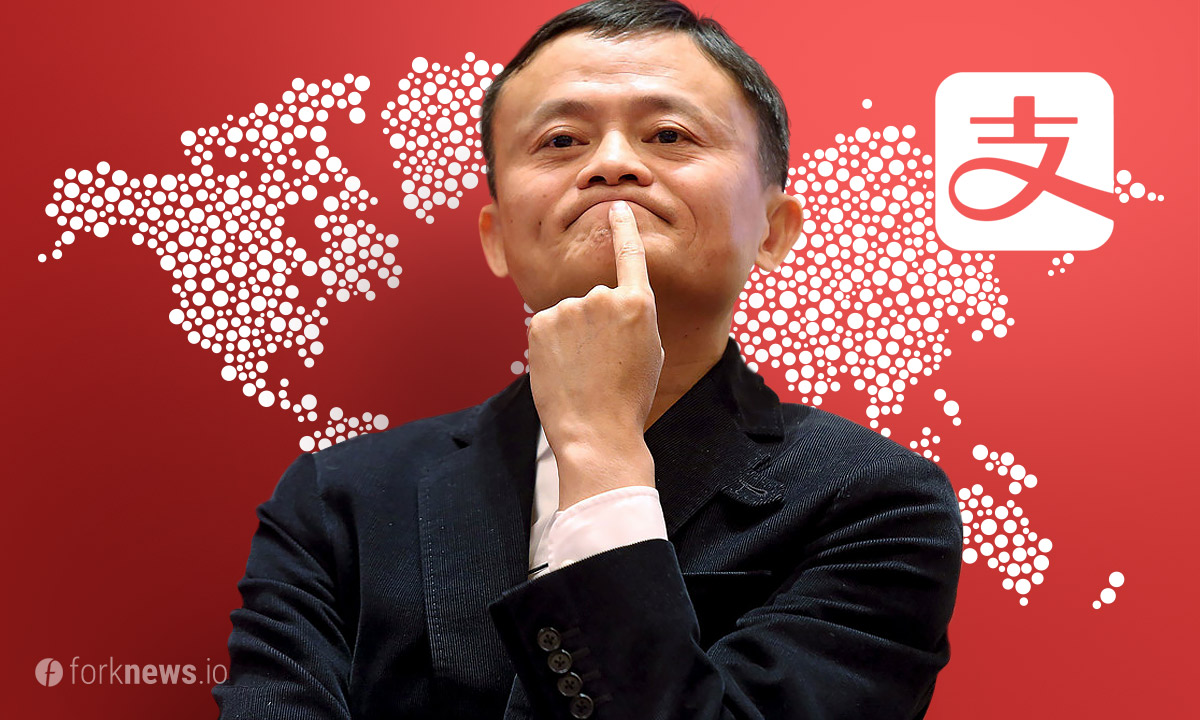
AliPay announced the successful testing of a new money transfer service on the blockchain and plans for the distribution and development of this product.
As reported by Chinese news outlet cnLedger, a company known as AliPay has developed and tested the first “wallet-embedded cross-border transfer service” between the Philippines and Hong Kong. The recipients of the transfers were AliPayHK and GCash, the Philippine developer of a payment application that recently became compatible with AliPay.
“Using blockchain for cross-border money transfers is one of the main projects I have been working on for the last six months. Starting in Hong Kong, this service will soon be available to the whole world,” cnLedger quotes Jack Ma.
This move shows the huge interest of the electronic giant AliPay in blockchain technology, and also contributes to the development of the Philippines' fintech sector. The Philippine banking sector is also working to develop its own blockchain solutions in 2018. Last week, for example, it launched a joint platform with IBM for remittances to Japan.
Ma believes the technology's capabilities extend far beyond these applications.
“Blockchain should not be seen as a get-rich-quick tool. There are more than 1.7 billion people in the world who do not have a bank account or even a mobile phone. Blockchain could impact the future of humanity much more than we realize.,” he continued.
Despite repeatedly mentioning his interest in the technology, Ma was rather lukewarm about cryptocurrencies. Last month he told Congress that “blockchain is not a bubble, Bitcoin is a bubble.”
According to bitcoinist.com

You May Also Like
Polygon activates a mechanism for burning part of commissions
On January 18, Polygon turned on a mechanism for burning part of transaction commissions.
Solana blockchain suffered from a failure
The Solana network has been updated to a newer version and should return to stable operation in the next few hours.
