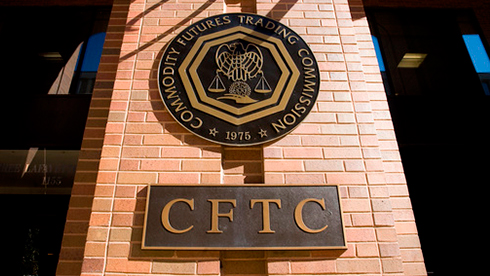
Consumers should be wary of cryptocurrency retirement accounts that purport to be approved by the Internal Revenue Service, the Commodity Futures Trading Commission (CFTC) warns.
In a new publication dated February 2, the CFTC urges people to "exercise caution" about such offers, especially those that claim that the IRS has somehow reviewed or approved the product. The Internal Revenue Service, the CFTC notes, “does not endorse or consider investments in individual retirement accounts.”
“Taxpayers tend to focus more on retirement savings during tax time to increase contributions or maximize savings. As a result, some companies may try to lure consumers into purchasing highly volatile cryptocurrency by using false claims or by presenting the virtual currency as less risky because it can be used for retirement savings.”
As CoinDesk previously reported, cryptocurrency-linked individual retirement accounts are not an entirely new tactic. But as the CFTC says, cryptocurrency investments offered to U.S. taxpayers recently do not disclose all of the risks involved or are outright fraudulent.
“Self-Directed Individual Retirement Account custodians and trust companies have limited responsibilities to investors and will not evaluate the quality or legitimacy of investments or their promoters,” the agency said in a statement.
The CFTC is playing an increasingly active role in regulating cryptocurrency-related activities, including enforcement strengthening control over the financial products and futures offered. Panel Chairman J. Christopher Giancarlo is scheduled to appear before the Senate Banking Committee on February 6 to discuss the CFTC's implementation of market oversight.

You May Also Like
Hawaii passed bills aimed at regulating cryptocurrency
Last week, the Hawaii Senate introduced two bills with the overall focus of defining and including cryptocurrency under the Domestic Remittance Act.
Judge rules in favor of Bithumb after $355 thousand hack
A South Korean court ruled in favor of the exchange Bithumb after one of its users' account was hacked and he sued for $355,000 in losses. This sets a dangerous precedent for all future decisions regarding lawsuits against crypto exchanges.
