In the early days of Bitcoin, its most common use was on the dark web. A lot of online stores appeared that sold illegal goods, which quickly found demand. The most famous of these stores is Silk Road, but there were others that helped develop the industry - AlphaBay, Ramp and Valhalla. It was possible to pay for goods and services on these sites only using Bitcoin.
Since then, Bitcoin has grown significantly and found its place outside of illegal markets. However, authorities in many countries still spend a lot of resources monitoring such markets.
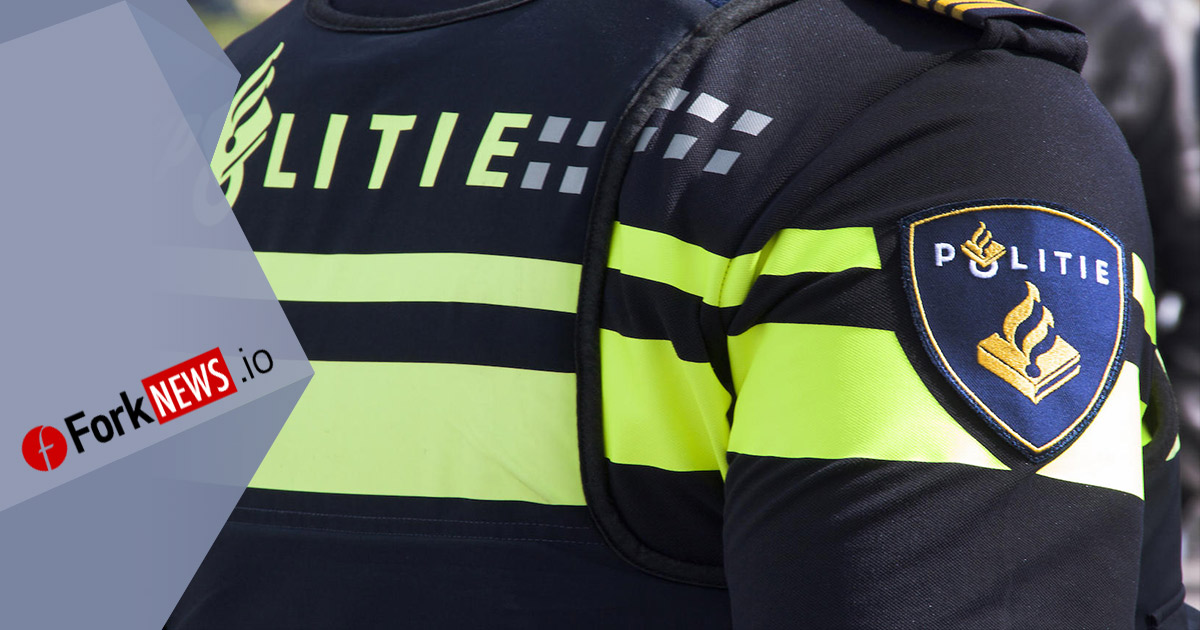
One of these countries is the Netherlands. In 2016, Dutch police managed to track down a store called Hansa, but instead of closing it down, they took control of it. They managed to gain access to the Hansa developers' server. Normally, this would yield nothing more than anonymous chat logs and untraceable transaction details.
However, Hansa developers made a mistake: in the correspondence logs they found the full name and address of one of the two store founders. Luck smiled on the police for the second time - the German police were looking for these two men for selling pirated audiobooks and e-books on the Lul.to website. While the Germans carried out the arrest, the Dutch police became administrators of Hansa. German police raided the home of the site's administrator, and his hard drives, which he had left unencrypted, were handed over to Dutch law enforcement.
At that time, more than 5,000 people a day were registering on the Hansa site, and they immediately came under police surveillance. The site code was rewritten, which allowed law enforcement to gain access to messages, which, in most cases, contained the home addresses of buyers.
Interesting fact: due to the fact that instead of two administrators, a squad of police inspectors worked on the site, the quality of the sites improved significantly. Because of this improved customer experience and high level of technical support for users, it quickly became the number one store on the darknet. After 27 days of such work and more than 27,000 transactions, the police closed the store, leaving a message on its main page:
“We track people active in the black market. Are you one of them? Then you caught our attention.”
At the end of the story, a couple of dozen top sellers were detained, 1,200 bitcoins were seized, the reputation of the Dutch black markets was forever tarnished.

You May Also Like
Hallelujah! Swiss church accepts donations in cryptocurrency
The current situation with churches is that they are conservative and follow traditions that have been established for centuries. While this is a valid approach in some ways, many churches are interested in embracing the innovations that blockchain technology has brought.
The ranking of the most influential personalities in cryptocurrency based on Twitter data
ICOs looking for a public figure to become their company's face can now consult a specially curated list. Decentralized cryptocurrencies do not have to have a leader, however, there are people who influence the digital currency market more than others. The list, called Crypto Influencers, represents the top 300 personalities in the cryptocurrency world.
