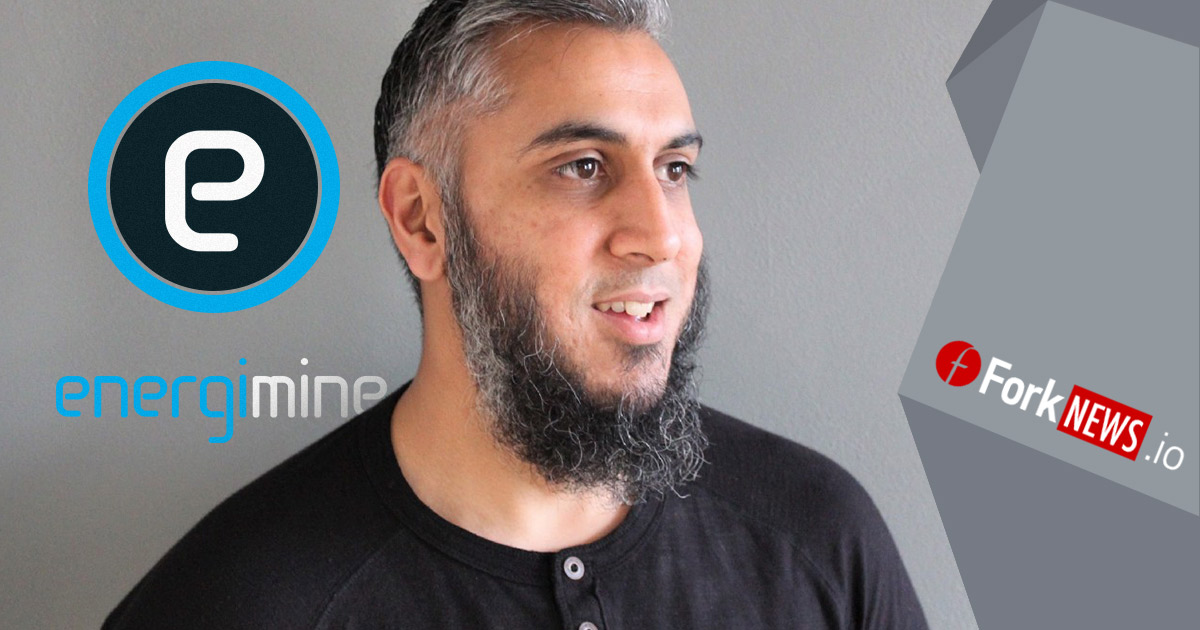
Energi Mine, a UK-based blockchain company that encourages energy conservation, has entered the Korean market to test how its technology can be applied to the real world economy.
By providing users with digital rewards for reducing their energy consumption by using energy-efficient home appliances, the company aims to decentralize the international energy market.
Although the company is very small and was founded in January last year, it has already brought its founders half a million dollars in revenue in 2017 alone.
In February, the company raised $4 million in just 81 minutes of public sale of its tokens and reached the maximum funding limit of $15 million.
The company's goal is to distribute the Energi Token in South Korea by establishing partnerships with large companies, institutions, government agencies and car manufacturers. “We are currently in discussions with Hyundai Motor and Kia Motors,” said company CEO Omar Rahim.
Energi Token, or ETK, can be used to pay electricity bills, charge electric vehicles, or exchange related goods.
“We are not forcing anyone to use less electricity. Instead of preaching, we offer an effective model that will help reduce costs and ultimately save the environment,” the CEO said at a press conference. In this way, efficiency and transparency will be maintained in the energy market. And consumers themselves will be interested in this, since they are financially motivated to save.
In addition, the Engeri Mine company also plans to enter the markets of Japan and Europe.
According to http://www.koreaherald.com

You May Also Like
Former Visa executive joins Nuggets
Kevin Jenkins, former managing director of Visa, has joined crypto company Nuggets as a board member. British company Nuggets has already achieved significant success in the field of payments and digital storage around the world, including in China. Jenkins' years of experience will further contribute to this success.
Can blockchain save Goldman Sachs?
Goldman Sachs is embroiled in the worst scandal in its history - a multibillion-dollar international fraud. Investigators link him to Malaysian Prime Minister Najib Razak, who spent the proceeds of the scam on luxury goods and an extravagant lifestyle.
