The International Monetary Fund is calling for global cooperation to address the issue of cryptocurrencies, which may pose risks to the market due to their volatility.
IMF spokeswoman Jerry Rice told reporters in Washington: “Coordination between regulators in different countries and international discussion on this issue would be very helpful in solving this problem.” While Gerry did not explain what kind of coordination is needed, the IMF recognizes that the time has come for decisive action as currencies such as Bitcoin gain more and more popularity. "During price surges (like last year), the risks can increase, especially if people borrow money to buy a token. Everyone should be aware of the possible risks and have a backup plan in case of failure."
The IMF is not the only institution that is calling for international regulation of digital currencies. Steven Mnuchin most recently called for dialogue from a group of twenty countries, wanting to prevent cryptocurrencies from becoming the modern equivalent of an anonymous bank account in Switzerland. The US government wants to make sure “bad people don't have the ability to use cryptocurrencies to do bad things.”
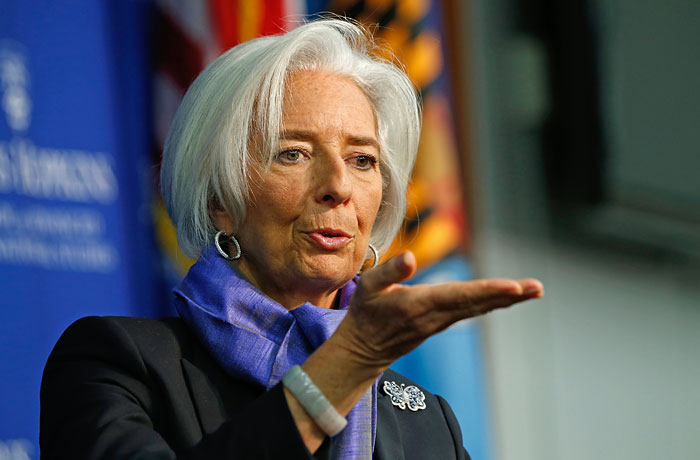
IMF Managing Director Christine Lagarde warned in September that cryptocurrencies could become a big problem for central banks as their popularity soars. “Until recently, many experts argued that PCs would not become widely used, that tablets were nothing more than an expensive coaster for a coffee cup. That is why I believe that it would be extremely unwise to underestimate the potential of virtual currencies,” she said. “It is time to discuss this issue at a global level and make a responsible decision.”
According to https://www.bloomberg.com

You May Also Like
Fraudsters stole $50 million from gullible investors
More than 27 thousand people, including citizens of Africa, America and Australia, were subjected to one of the largest bitcoin scams in South Africa.
Crypto giants are planning staff cuts
Bitmain Technology and Huobi Group have announced plans to lay off employees, reports the South China Morning Post (SCMP).
