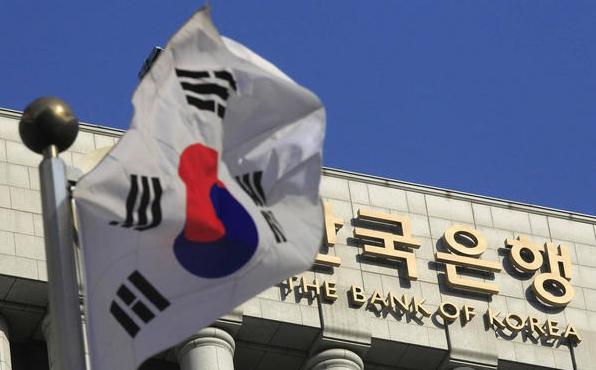
Yohnap news agency reports that South Korean financial regulators intend to require crypto exchanges to provide complete data on their clients who carry out transactions on their platforms. This data should be sent to the South Korean National Bank
According to the official statement of the regulator, this law should come into force in February of this year and banks will be required to verify that exchanges comply with this requirement.
At the moment, South Korean banks are prohibited from opening accounts for their clients in virtual currencies, which are necessary for trading. The move is intended to prevent speculation in South Korea's largely unregulated cryptocurrency market.
Banks are required to develop a system to ensure that cryptocurrency accounts are used only in real names, and that virtual currency deposits and withdrawals must be made using the same customers' accounts on cryptocurrency exchanges.
The government will also be given the right to access digital currency transactions through banks, officials said. This move may be aimed at taxing transactions with cryptocurrencies.
South Korea is one of the largest markets for cryptocurrencies, such as Bitcoin and Ethereum, and the price on crypto exchanges in this country is often significantly higher than on exchanges in other countries.
According to https://ru.investing.com

You May Also Like
French financial regulator bans advertising of cryptocurrency contracts
Based on a new anti-corruption law adopted last year, it is prohibited in France to advertise, promote or otherwise promote the conclusion of cryptocurrency contracts that pose risks. Such contracts include CFDs, futures, options and other complex financial products.
South African authorities intend to take control of the cryptocurrency market
We continue a series of publications about attempts by world states to regulate cryptocurrency transactions. This time we will talk about the most developed country on the African continent: the Republic of South Africa.
