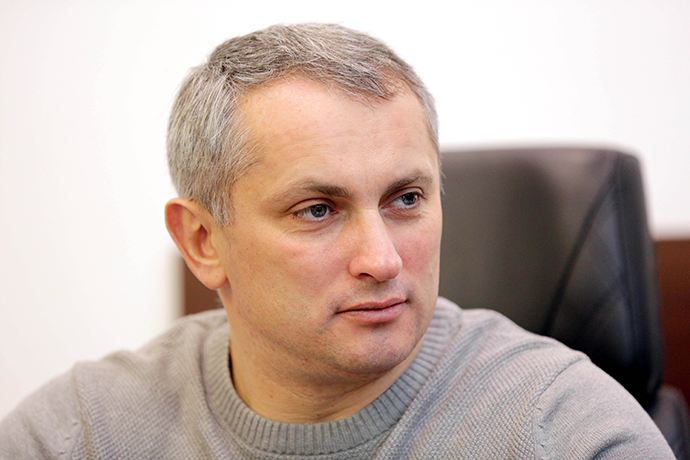
“Cryptocurrencies are neither prohibited nor permitted in Ukraine,” recalled the head of the cyber police department of the National Police, Sergei Demedyuk, in an interview with journalists from the online publication “Economic Pravda.”
The head of the cyber police department of the National Police of Ukraine, Sergei Demedyuk, said that the lack of legislative regulation of the circulation and mining of cryptocurrencies in the country leads to an increase in crimes in this area. In particular, the number of phishing sites offering the exchange of such funds is actively growing. The work of such resources contributes to the loss of funds by users, and the cyber police do not have the leverage to change the situation.
“We cannot quickly help people because the status of cryptocurrencies is not defined in Ukraine. It is difficult for us to determine the elements of a crime due to the lack of a mechanism for verifying the owner of a crypto wallet. (note: it is not clear to us how verification relates to determining the elements of a crime) - said the cyber police officer. - We proposed to the national coordination center for cybersecurity The National Security and Defense Council will create a working group that will develop a mechanism for regulating the circulation of cryptocurrency. In most countries, cryptocurrencies are recognized as electronic money (note:we do not know from what sources Sergei Demedyuk received this information.) If they did this in our country, then we could count losses and more effectively investigate such crimes."
According to https://www.epravda.com.ua

You May Also Like
Canadian authorities support legal integration of cryptocurrencies
While most of the world's major states began to put up all sorts of barriers to the free circulation of Bitcoin and other cryptocurrencies, the Canadian government decided to take a completely different path.
The court recognized Durov's temporary right to Gram
Telegram messenger won the intermediate round in the fight for the Gram brand. The court temporarily recognized the right of the Telegram founder to the name of the cryptocurrency.
