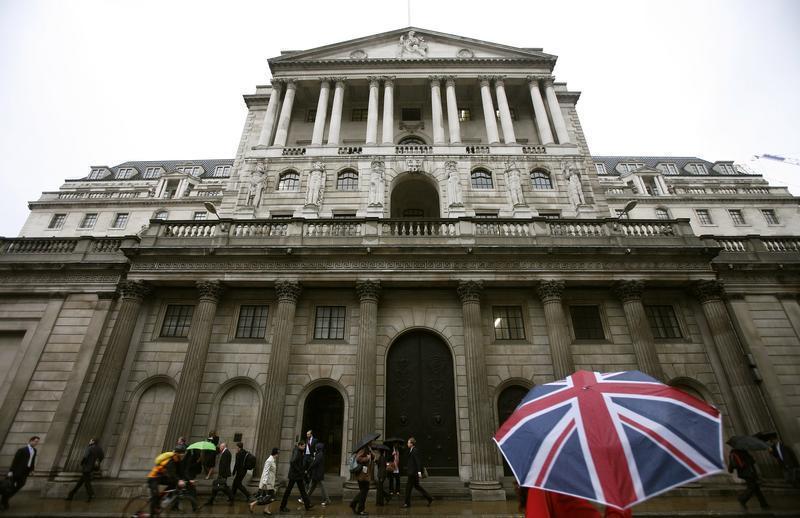
At the moment, according to information from telegraph, the possibility of creating a “sterling-related” cryptocurrency is being studied by the bank’s research department, which must present its decision within 12 months.
Let us clarify that this department was created at the bank in 2015, and if the pace of its research remains at the same level, then a period of 12 months seems very optimistic to us.
It is assumed that the national digital currency will allow the British to store money digitally directly with the Central Bank.
The Bank of England announced plans to launch its own digital one back in March last year. This currency, as the regulator noted then, will be called RSCoin. It will operate on the blockchain platform, on which Bitcoin and other cryptocurrencies are also built, the bank explained. Representatives of the regulator explained this decision by the need to “centralize the money supply.”
Recall that the Bank of England does not see a danger in the cryptocurrency market, since it is “not of the size to pose a macroeconomic risk to the global economy” or financial stability. And by May 2018, the UK must show readiness to implement blockchain technology.
According to http://www.telegraph.co.uk

You May Also Like
Venezuelan Petro received the Satoshi Nakamoto Prize from RACIB
Venezuela's national cryptocurrency Petro was launched at the end of February and, as stated in its technical documentation, is backed by the country's oil reserves. The currency has previously been considered controversial due to its alleged evasion of US sanctions, with the Venezuelan president even sarcastically calling it “the kryptonite that will help the country fight Superman.”
Iran is developing a state-owned cryptocurrency to circumvent US sanctions
At a meeting of the Board of Directors of Post Bank, Iranian Minister of Information and Communication Technologies Mohammad-Jwad Azari Jahromi proposed issuing a national digital currency based on cloud technologies. According to local media, Iran's central bank is in talks with other financial institutions to establish control over digital currencies in Iran.
