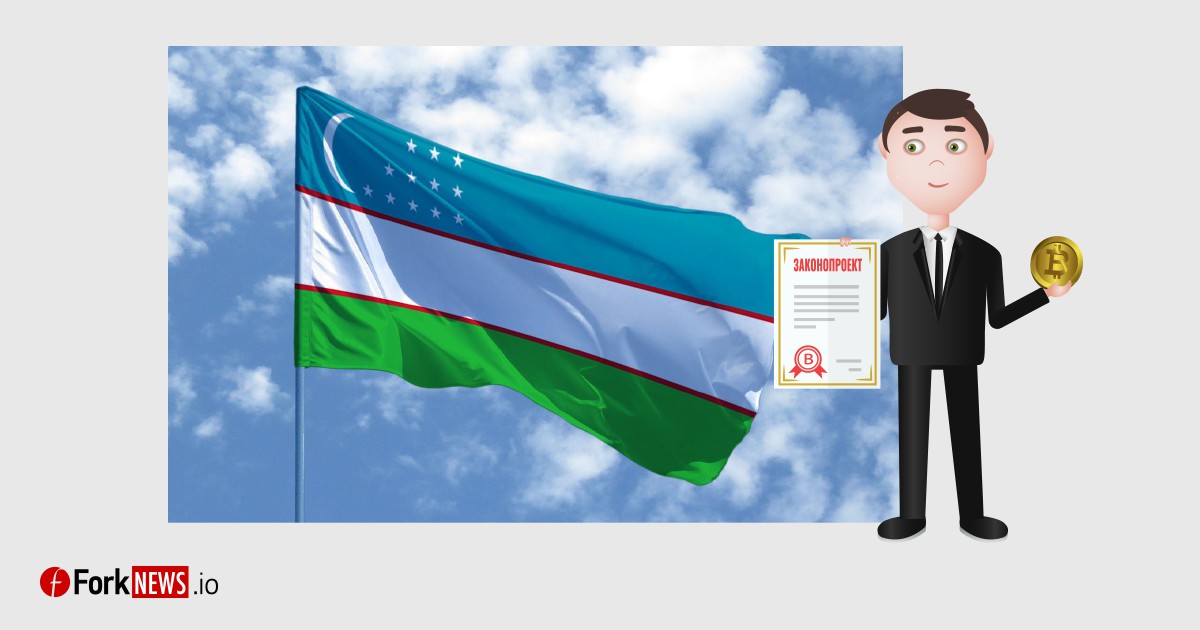
The draft law, which will be developed by the highest government bodies, is promised to be prepared by September of this year. Moreover, the President of the Republic Shavkat Mirziyoyev approved the authorities’ intention to create a competence center for blockchain technologies at the Mirzo Ulugbek Innovation Center.
The center, which oversees the developers of products that work on the blockchain and support digital currencies, should begin its work in early summer of this year.
Shavkat Mirziyoyev also instructed the government to begin work on creating a set of measures to develop and stimulate the use of contactless payments, including with international payment systems such as PayPal, Alipay, Visa and Mastercard.
Earlier, the Prime Minister of Uzbekistan Abdulla Aripov noted the benefits of the use blockchain technology in the countries of Central Asia.
It is worth noting that in September last year, the Central Bank of Uzbekistan sided with ardent opponents of digital currencies and strongly recommended that the population refrain from cryptocurrency transactions. Moreover, representatives of the country's main financial regulator actively argued that cryptocurrency is the most convenient tool through which terrorism and the criminal world can be financed.
Also, representatives of the bank have previously repeatedly argued that the development of cryptocurrency in the republic limits the ability of the banking system to exercise proper control over the circulation of funds.

You May Also Like
French financial regulator bans advertising of cryptocurrency contracts
Based on a new anti-corruption law adopted last year, it is prohibited in France to advertise, promote or otherwise promote the conclusion of cryptocurrency contracts that pose risks. Such contracts include CFDs, futures, options and other complex financial products.
Director of the German Central Bank: cryptocurrency regulation should be international
Any regulation of cryptocurrencies must take place at the international level. This statement was made by Bundesbank board member Joachim Wurmeling, explaining that digital currencies are not subject to national rules.
