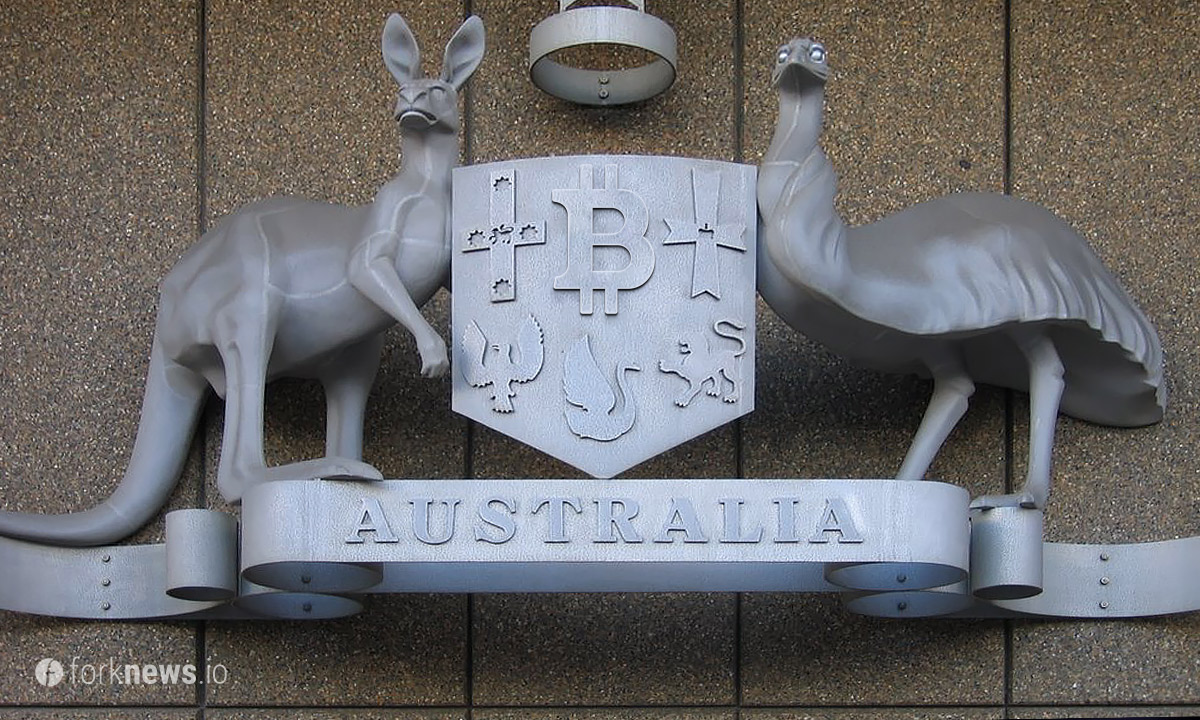
Australian company Byte Power Group (BPG) intends to launch the first cryptocurrency exchanger in the country through an ICO. This information appeared on Wednesday, September 5. In a statement to the Australian Securities Exchange (ASX), BPG said it had successfully resolved regulatory issues that were discovered last month and decided to publish details of the fundraising campaign.
BPG has begun selling BPX tokens and is seeking to raise $15 million to launch an Australian digital exchange. BPX tokens will be used on this exchange to pay fees, just like on Binance.
On August 1, the ASX sent several requests to company directors. Most of them concerned whether the BPX token could be considered a security under Australian law. Representatives of the company, “after consulting with lawyers,” gave an answer on Wednesday - their tokens are not financial products. In a statement that responded to 17 inquiries, company officials said:
“The proposal to issue BPX tokens is not an offer to issue one or more securities, derivatives, or any other type of financial product.”
The statement also stated that BPG is aware of the need to register as a reporting entity with the Australian Trade Reporting and Analytics Center (AUSTRAC), as well as take regulatory action to combat anti-money laundering (AML) and know-your-customer (KYC) compliance.
Australia has traditionally been a problematic jurisdiction for cryptocurrency businesses, but this year many international exchanges have invested in the Australian market, such as the Chinese company Huobi.
According to cointelegraph.com

You May Also Like
Bithumb will lower the withdrawal limit for anonymous clients
According to reports, one of South Korea's largest crypto exchanges, Bithumb, has announced a gradual reduction in the withdrawal limit for all accounts that have not passed real name verification, citing financial crime risks.
Zebpay exits India
On September 28, Bitcoin company Zebpay officially closed its cryptocurrency exchange in India. This decision was made due to the inability to obtain banking services from commercial banks and financial institutions that are subject to the central bank's ban.
