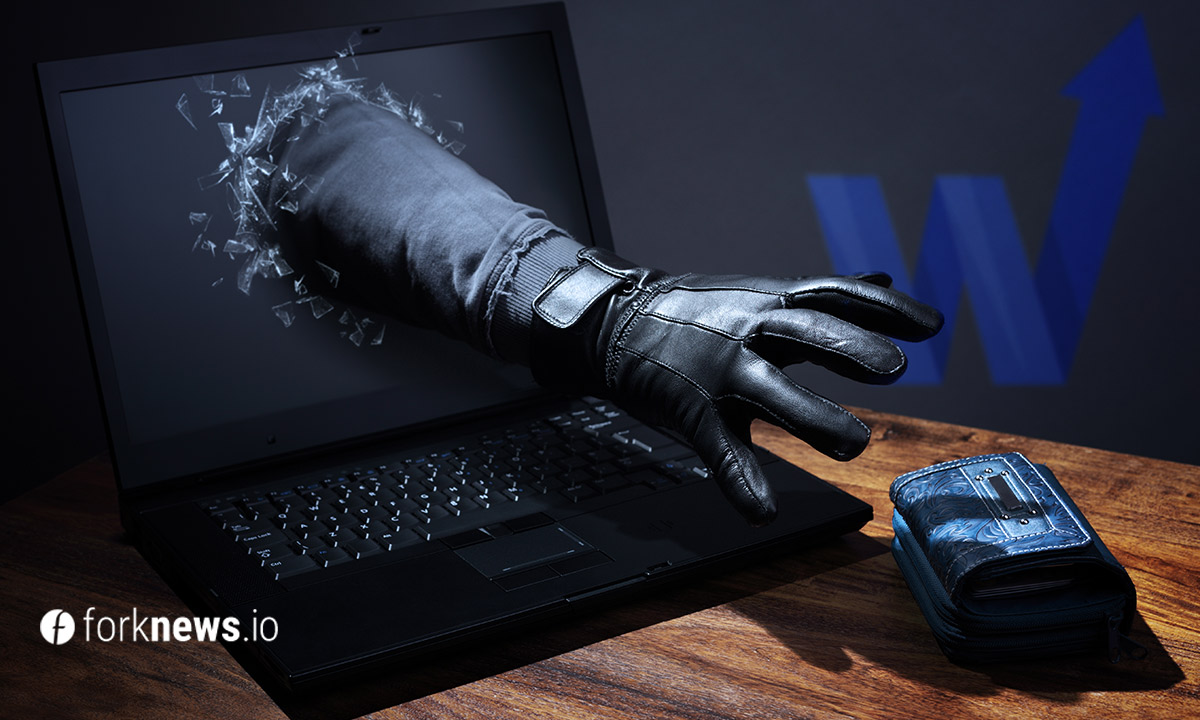
As we approach the end of 2018, many cybersecurity firms are releasing annual reports detailing the year's common threats and telling internet users what to expect in the future.
Kaspersky Lab released a security report called “Story of the Year: Miners.” The report details the rise of mining malware that secretly uses an infected computer's CPU to manipulate cryptocurrencies. He also claims that some botnets are being repurposed for the extraction of crypto assets.
According to the Laboratory’s specialists, after the end of the crypto boom in January-February 2018, interest in pirated mining has decreased, but still remains a serious threat.
So, in 2018, the share of malware downloaded by botnets out of the total number of files reached 4.6% - compared to 2.9% in the second quarter of 2017. The bulletin states that botnets are becoming increasingly popular as a tool for spreading malware, with hackers increasingly considering stealth mining as a more profitable type of attack.
According to the Laboratory, the increased interest of scammers in hidden mining programs is explained by the difficulty of detecting such viruses and cybercriminals. An infected user's computer uses only part of the power in favor of the miners, and it is quite difficult to detect the redistribution of the computing power of the infected computer in favor of the hacker.
Another factor in the increase in the activation of hidden miners, according to experts, is the low “entry threshold” for hackers. Cyber fraudsters have open source code and a range of “ready-to-use affiliate programs and open mining pools” at their disposal.
The report notes that the impact of the fall in the cryptocurrency market in November on the spread of malware is not yet clear.

You May Also Like
Hackers demand ransom in XRP
Bank of Montreal and online bank Simplii Financial (which is owned by CIBC) reported that hackers stole users' personal information this weekend. After obtaining confidential data from approximately 100,000 clients of two Canadian banks, the hackers demanded a $1 million ransom in Ripple tokens or they would publish the stolen information.
Bitcoin helps law enforcement track criminals
One US Drug Enforcement Administration (DEA) agent told the press that “she wants criminals to continue using Bitcoin” because it allows them to be traced.
