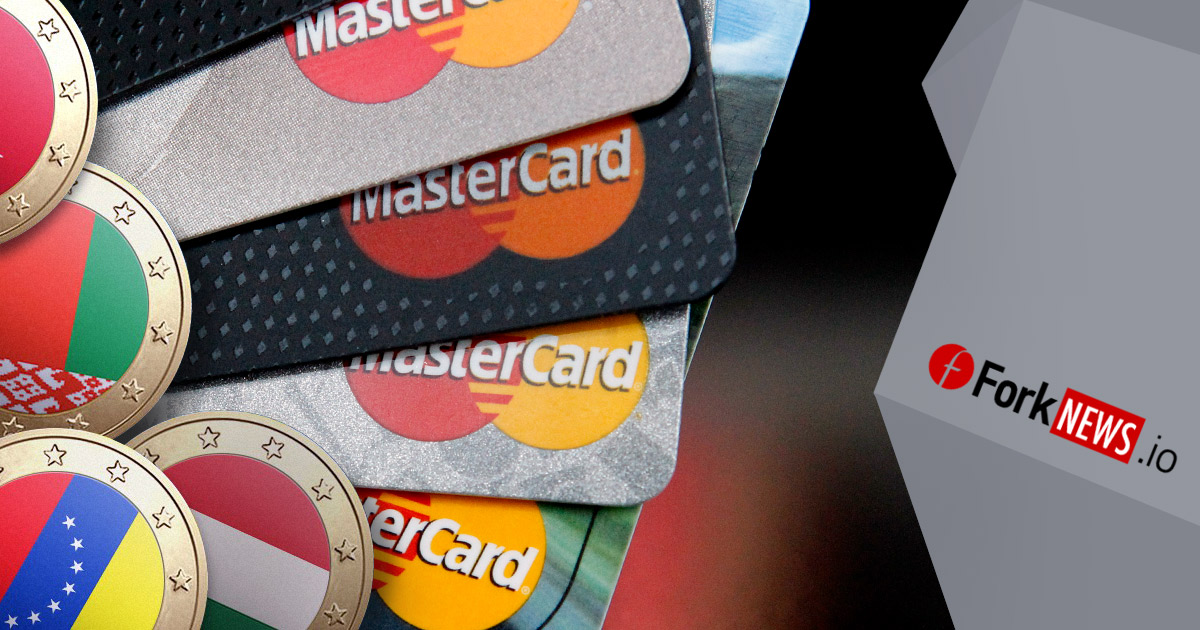
A senior Mastercard executive said the company is open to national digital currencies issued by central banks, the Financial Times reported. Mastercard believes that a national cryptocurrency will provide the secure and easy payment method that decentralized cryptocurrencies provide, but with less volatility.
Mastercard is currently planning to launch a pilot program in Japan and Singapore, subject to anti-money laundering and Know Your Customer regulations (which require companies that handle private money to identify and verify the identity of the counterparty before conducting a financial transaction).
In early February, payment systems Mastercard and VISA began charging additional fees for instant cryptocurrency purchases through debit or credit cards. Credit card users are charged a 5% fee in addition to the standard 4% transaction fee that users pay to crypto platforms.
Card manufacturers are concerned that their customers may be borrowing huge amounts of money to buy cryptocurrency, the prices of which are highly volatile, and will not be able to pay them back.
Mastercard is one of the top ten companies that have the most cryptocurrency patents in the world. Mastercard's R&D arm, MasterCard Labs, has reportedly filed for more than 30 patents related to blockchain technology and cryptocurrencies.
According to http://www.rttnews.com

You May Also Like
Petro is recognized as legal tender
Venezuela is working hard to establish itself as the first country to launch a national cryptocurrency. The government has announced that cryptocurrency should mitigate the economic problems associated with traditional fiat currency and become a widely used means of payment in the country.
Estonia plans to raise funds to launch a program to integrate cryptocurrency into the state economy
To date, Estonia has entered into a partnership agreement with Chronobank, a company specializing in recruiting and payments using Blockchain technology. Chronobank is acting as an advisor to the government-backed token crowdfunding program.
